
How to Handle Toddler Separation Anxiety: Gentle & Effective Tips
Separation anxiety in toddlers is a natural part of your toddler’s emotional development, but that doesn’t make it easy—for you or your little one. Around 8 months to 3 years of age, many children go through a phase where saying goodbye feels heartbreaking. Whether it’s daycare drop-offs, bedtime, or even short errands, they may cry, cling, or refuse to let go.
As a mom, I know how tough it can be. But trust me, there are gentle and effective strategies that truly help. Let’s explore everything you need to know to support your toddler through this emotional stage.
Understanding separation anxiety in toddlers can help you navigate this challenging phase more effectively with your toddler.
What is Separation Anxiety in Toddlers?
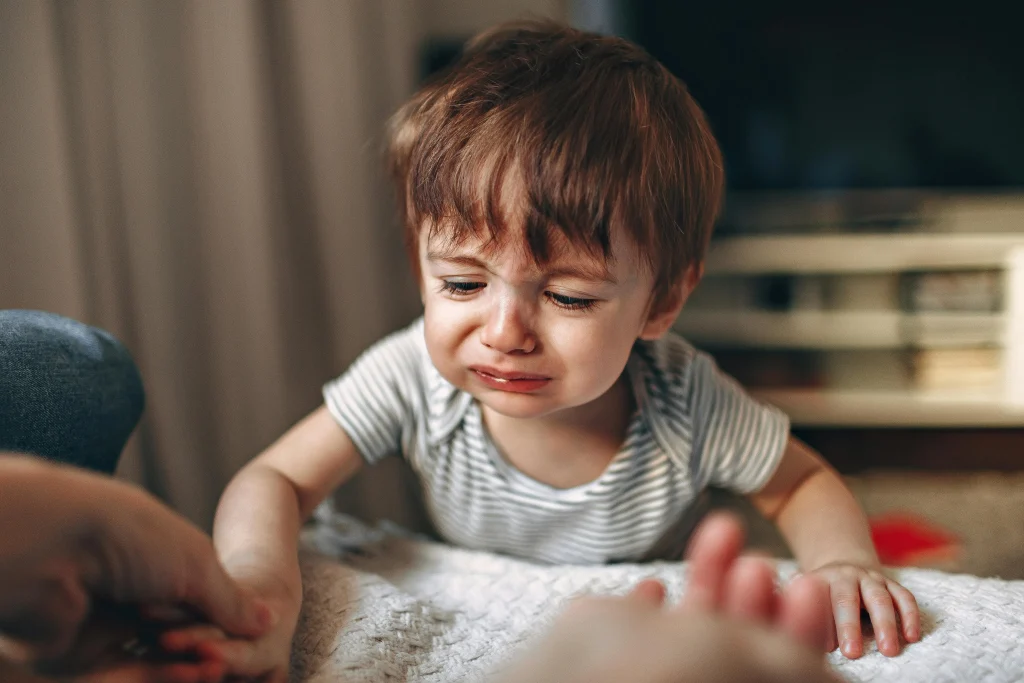
Separation anxiety in toddlers is your toddler’s fear of being apart from their primary caregivers, especially their mother. It typically begins around 8–12 months and can peak again between 18 months and 2.5 years.
Separation anxiety is your toddler’s fear of being apart from their primary caregivers, especially their mother. It typically begins around 8–12 months and can peak again between 18 months and 2.5 years.
📊 According to the American Academy of Pediatrics, about 4 in 10 toddlers experience noticeable separation anxiety.
The intensity varies. Some toddlers grow out of it quickly, while others take more time.
Why Do Toddlers Experience Separation Anxiety?
Here are some common reasons:
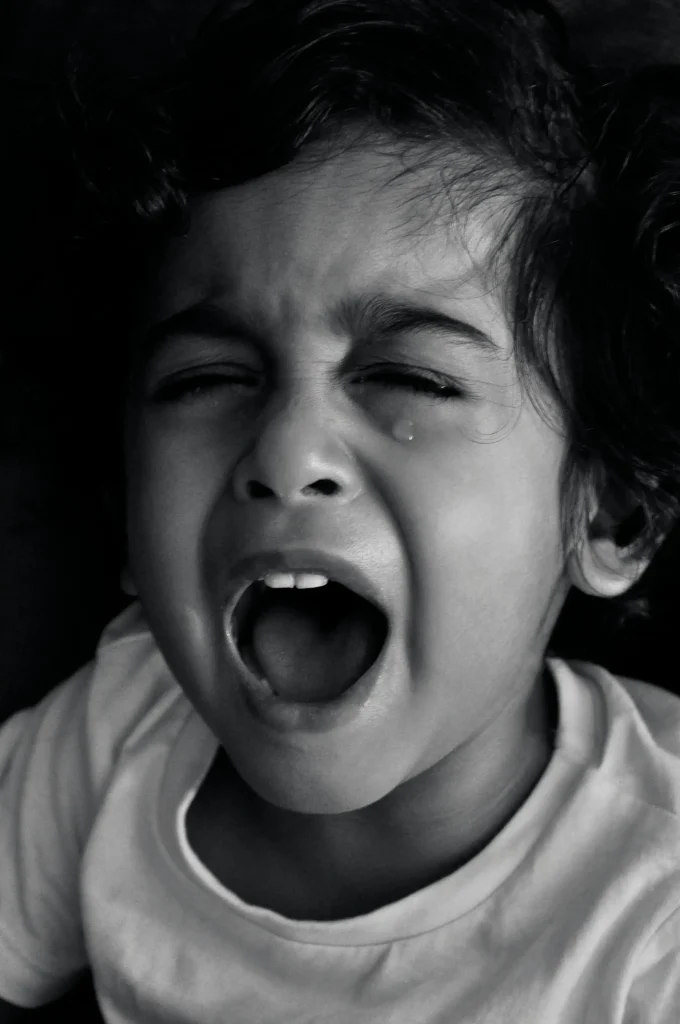
- Developmental Growth: Toddlers begin to understand object permanence—knowing you exist even when not visible. This realization often leads to fear of being left.
- Stranger Awareness: They’re learning who’s safe and who isn’t.
- Big Transitions: Starting daycare, moving homes, or even a new sibling can spark anxiety.
Remember, it’s not manipulation—it’s a deep emotional need for safety and connection.
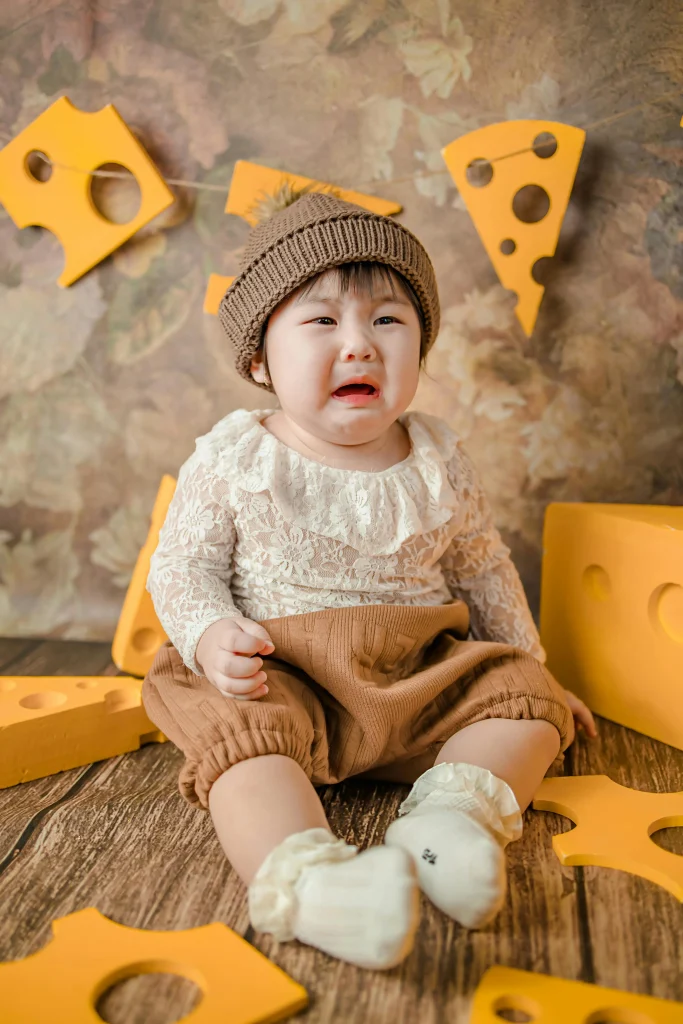
Signs of Separation Anxiety
Each child expresses separation anxiety differently. Common signs include:
- Crying or screaming during goodbyes
- Clinging tightly to parents
- Refusing to go to others (even familiar people)
- Sleep disturbances
- Regression in toilet training or eating
💡 If symptoms last beyond toddlerhood or interfere with daily life, consider speaking to a pediatrician or child psychologist.

How Long Does Separation Anxiety Last?
The good news: It’s temporary. Most toddlers outgrow intense separation anxiety by age 3. With consistent routines and loving support, they learn that goodbyes aren’t forever.
However, it can come and go—especially during life changes or stress.
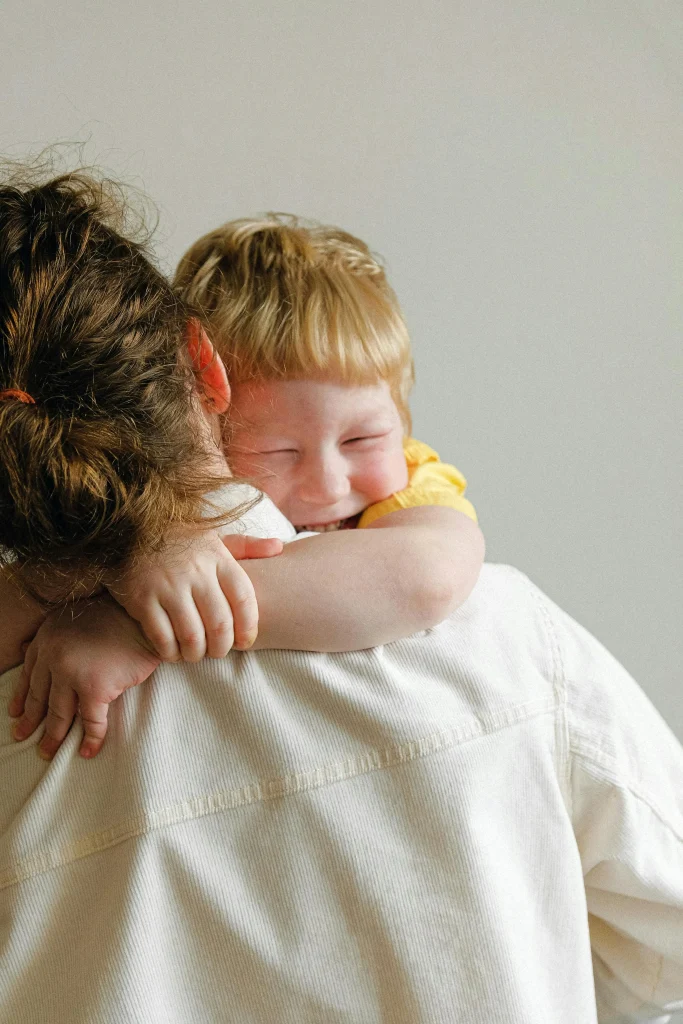
10 Gentle Ways to Handle Toddler Separation Anxiety
1. Start with Short Separations
Begin by stepping into another room for a few minutes. Gradually increase the time apart, so your child sees you always return.
🧠 This builds trust and teaches independence in baby steps.
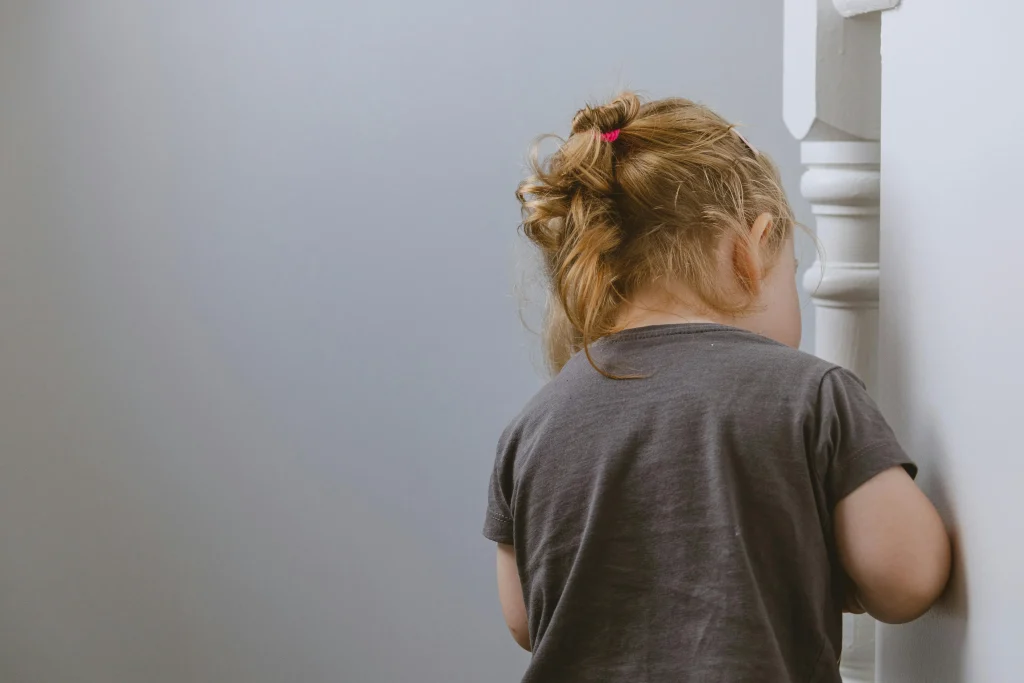
2. Create a Loving Goodbye Ritual
A quick hug, a special handshake, or a “See you after snack time!” gives your toddler something predictable to hold onto.
🕒 Consistency reduces anxiety.
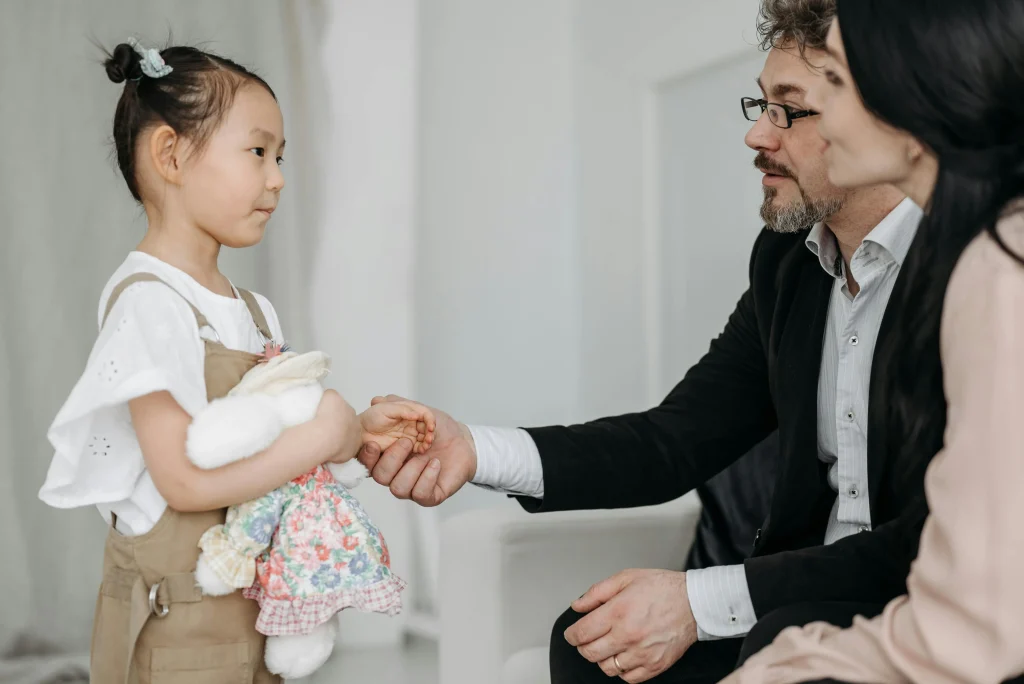
3. Use Visual Timers or Countdown Calendars
Toddlers understand time differently. Use sand timers or a goodbye calendar to help them visualize when you’ll return.
🖍️ Fun tip: Let them decorate their own goodbye clock.

4. Keep Goodbyes Short and Sweet
The longer you linger, the more anxious your toddler gets. A quick, cheerful goodbye reassures them that everything is okay.
❌ Avoid sneaking out—it can break trust.
5. Encourage Comfort Objects
Allow your child to carry a special toy, blanket, or even a family photo. These objects can offer emotional support in your absence.
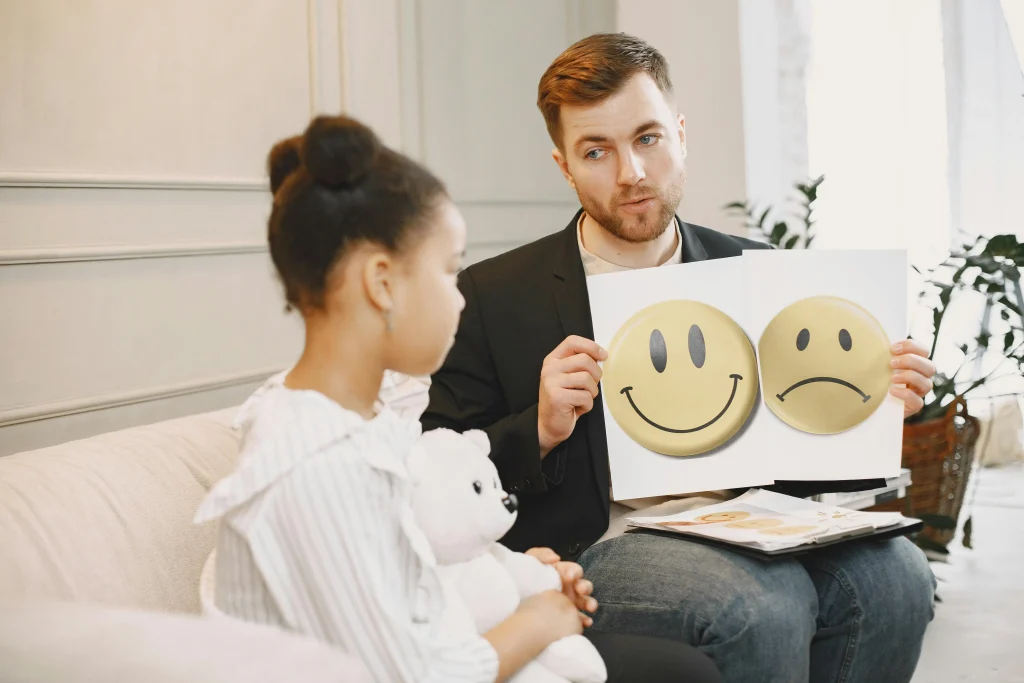
6. Talk About Feelings
Validate their emotions. Say things like, “I know it’s hard when Mommy leaves. It’s okay to feel sad, but I’ll always come back.”
🗣️ Toddlers need help naming and understanding their feelings.
7. Practice Separation During Play
Play pretend games like “going to work” or “school time” to introduce separation in a fun way.
🎭 Play therapy is powerful at this age.
8. Keep a Routine
Kids feel safer when they know what to expect. Stick to the same wake-up, meal, and goodbye times when possible.

9. Stay Calm and Confident
Toddlers feed off your emotions. If you’re nervous or sad, they will be too. Show them you trust the process.
💪 Your confidence helps them feel secure.

10. Celebrate Brave Moments
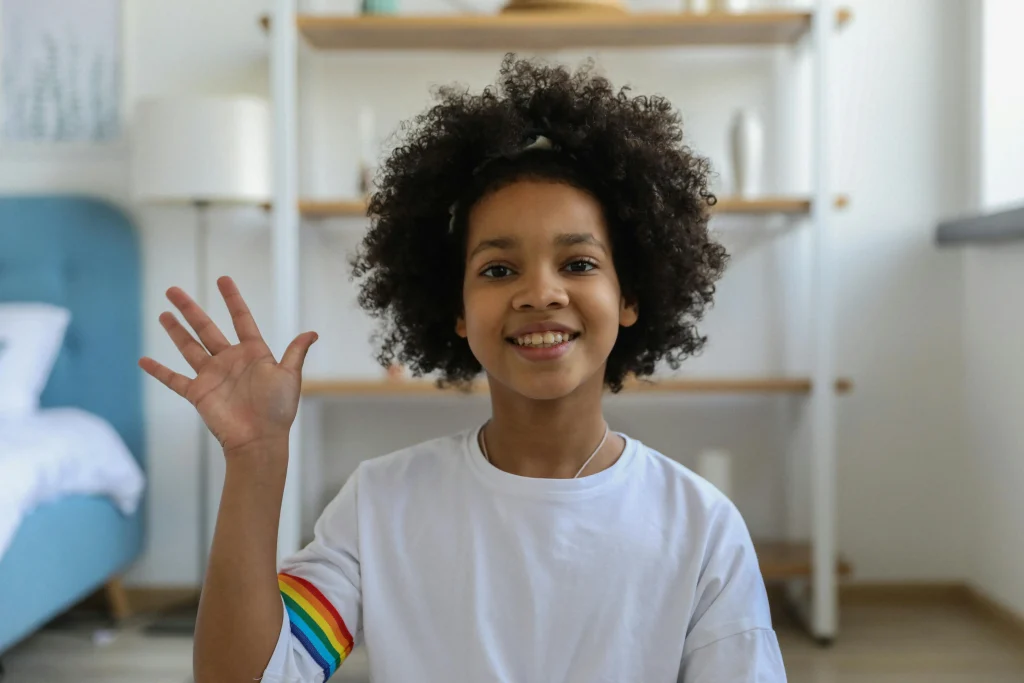
When your child handles separation well—even a little—praise them. Say, “I’m so proud of how you waved goodbye today!”
🎉 Positive reinforcement builds emotional resilience.
What Not to Do
- Don’t punish or shame them for crying.
- Don’t sneak away without saying goodbye.
- Don’t ignore severe signs that persist or escalate.

When to Seek Professional Help
If your toddler:
- Shows signs of extreme anxiety for several months
- Refuses to eat, sleep, or play without you
- Panics during any separation
Then it’s time to consult a pediatrician or child therapist. Early intervention can make a big difference.

Final Thoughts: You’re Not Alone
Every toddler—and every mom—experiences separation anxiety differently. But what stays the same is your love, patience, and ability to guide them through it.
As someone who’s been there, I promise: it gets easier. The goodbye tears slowly turn into confident smiles, and your toddler will blossom into a more secure and independent little person.