
Fun Ways to Get Toddlers Eating Vegetables (Without the Mealtime Battles!)
As a mom, one of the biggest daily challenges can be getting your toddler to eat vegetables, especially when it comes to toddlers eating vegetables. You put so much effort into preparing healthy meals, only to see your child push the broccoli aside or throw the peas across the table. Sound familiar?
Don’t worry—you’re not alone. According to the CDC, 1 in 3 children aged 1–5 years doesn’t eat a single vegetable daily. The good news? There are fun, stress-free ways to encourage your little one to enjoy their veggies without nagging, bribing, or sneaking them into everything.
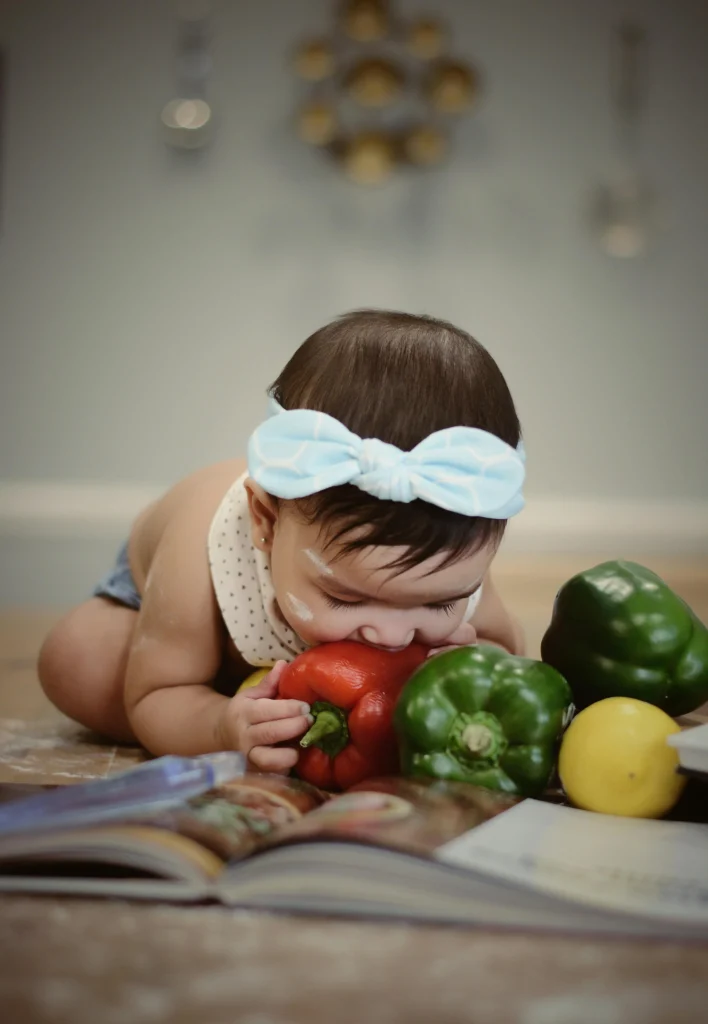
Let’s explore some creative, parent-approved methods that actually work.
1. Make Veggies the Star of the Show
Most toddlers love being the center of attention—why not make veggies feel the same way?
- Create “veggie heroes” like Captain Carrot or Super Spinach and tell stories about them at dinner.
- Give veggies fun names like “broccoli trees,” “zucchini boats,” or “pepper rings.”
- Arrange veggies into shapes or faces on the plate—suddenly, a plate of food becomes a silly adventure!
Why it works: Toddlers engage with food visually and playfully. Turning veggies into characters makes them more approachable.
2. Offer Dips and Sauces
Toddlers LOVE to dip—so use that to your advantage!
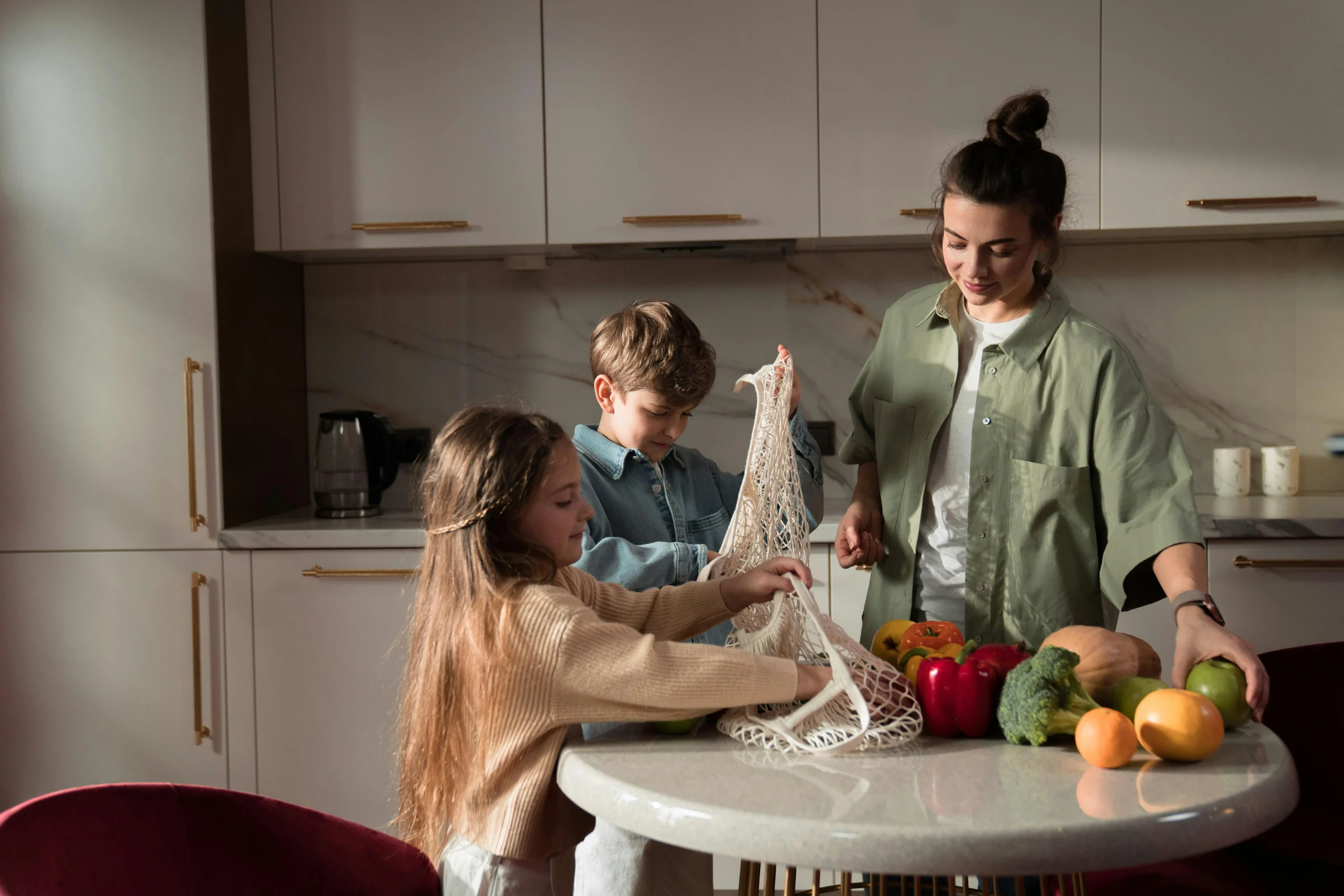
- Pair carrots with hummus
- Broccoli with ranch
- Peppers with guacamole
- Cucumbers with Greek yogurt dip
Offer a few different dips and let your toddler choose their favorite. You can even call it a “dip party.”
Tip: Let your toddler help make the dip. Stirring yogurt or squeezing a lemon adds to their excitement.
By focusing on fun and engaging methods, you’ll make the experience of toddlers eating vegetables more enjoyable for everyone.
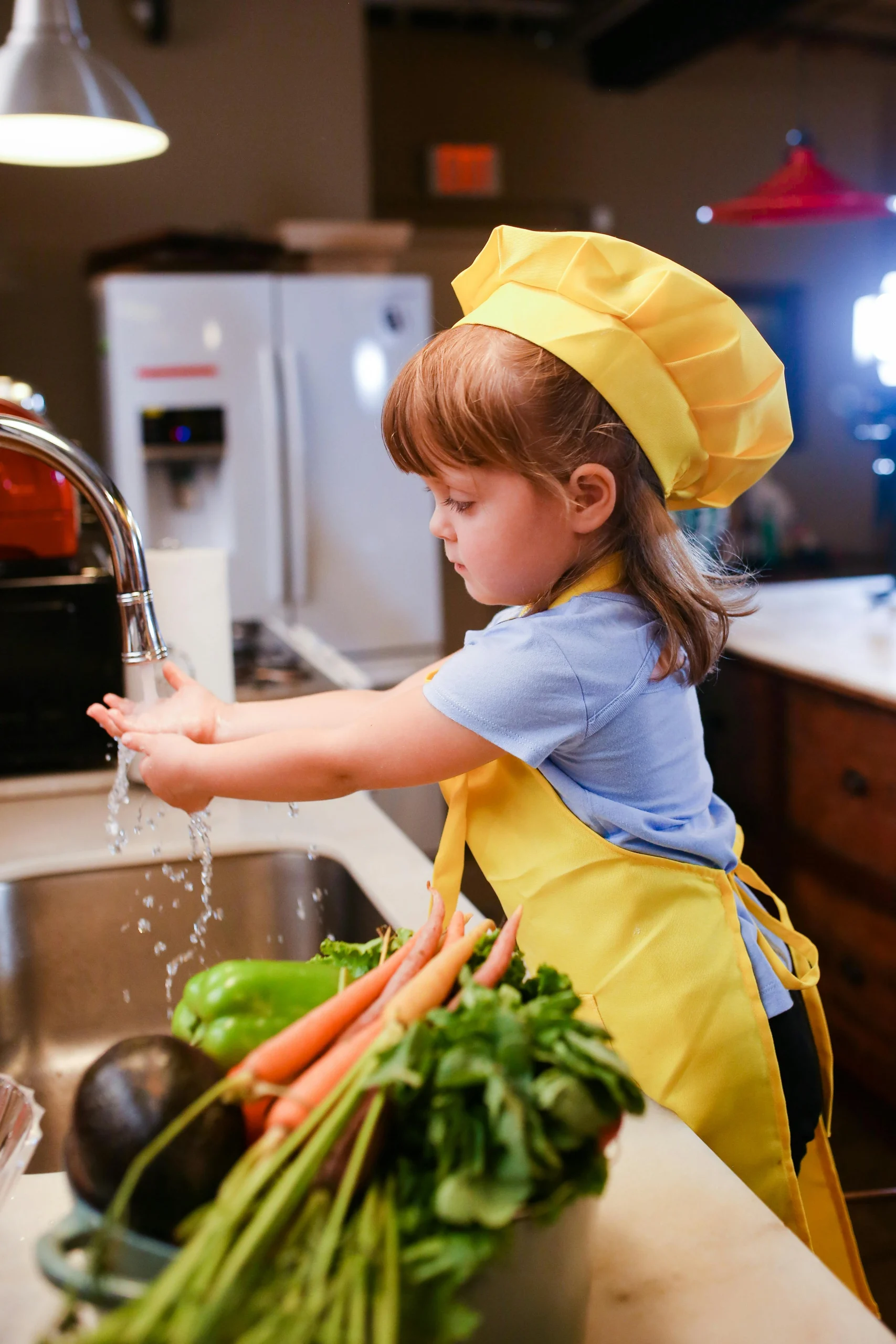
3. Get Them Involved in the Kitchen
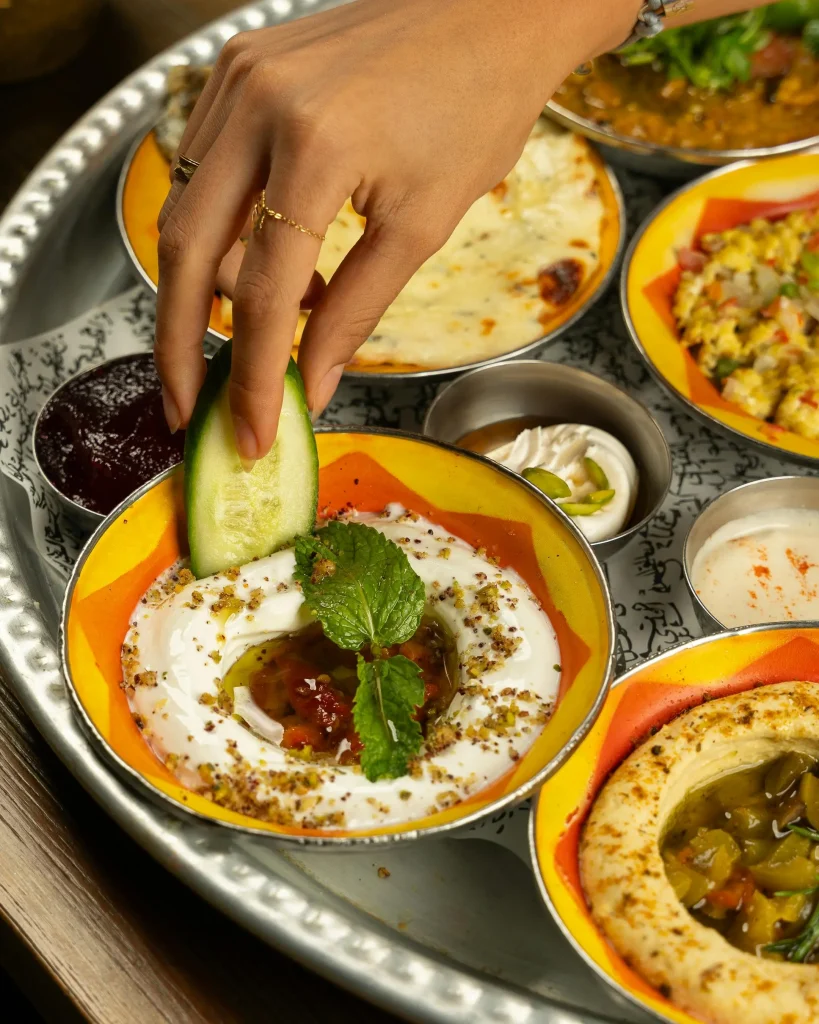
Kids who help cook are more likely to try what they’ve made. Simple, safe kitchen tasks like:
- Washing vegetables
- Tearing lettuce
- Stirring the pot
- Sprinkling cheese
…can make a toddler feel proud and more willing to eat what’s on their plate.
Bonus tip: Let them “shop” for veggies in the fridge with a small basket. Say, “Pick 2 vegetables for tonight’s rainbow plate.”
4. Create a Rainbow Plate Challenge
Make eating veggies into a colorful game!
- Red: cherry tomatoes or red peppers
- Orange: carrots or sweet potatoes
- Yellow: corn or yellow squash
- Green: cucumbers or peas
- Purple: purple cabbage or eggplant
Ask your toddler: “Can we eat all the rainbow colors today?” This turns healthy eating into a fun challenge, not a chore.
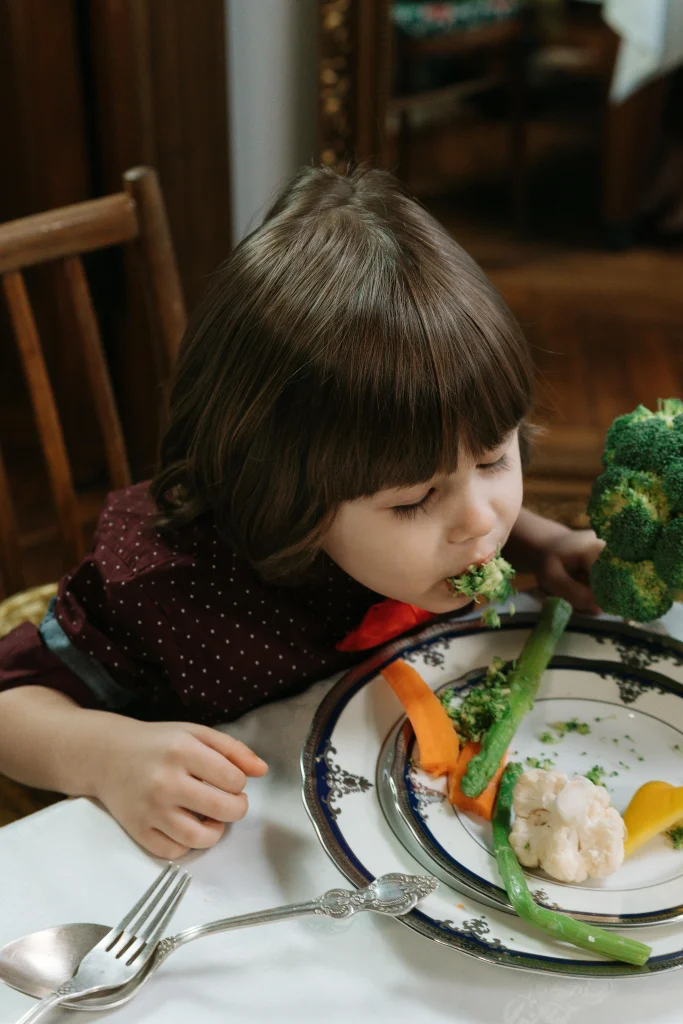
5. Blend into Smoothies
If your toddler already loves smoothies, this is an easy win.
Try this super toddler-friendly green smoothie:
- 1 banana
- A handful of spinach
- 1/2 cup Greek yogurt
- A splash of milk or water
- A drizzle of honey (for kids over 1)
Spinach and even zucchini blend well without affecting flavor. Add berries to hide the green color if needed!
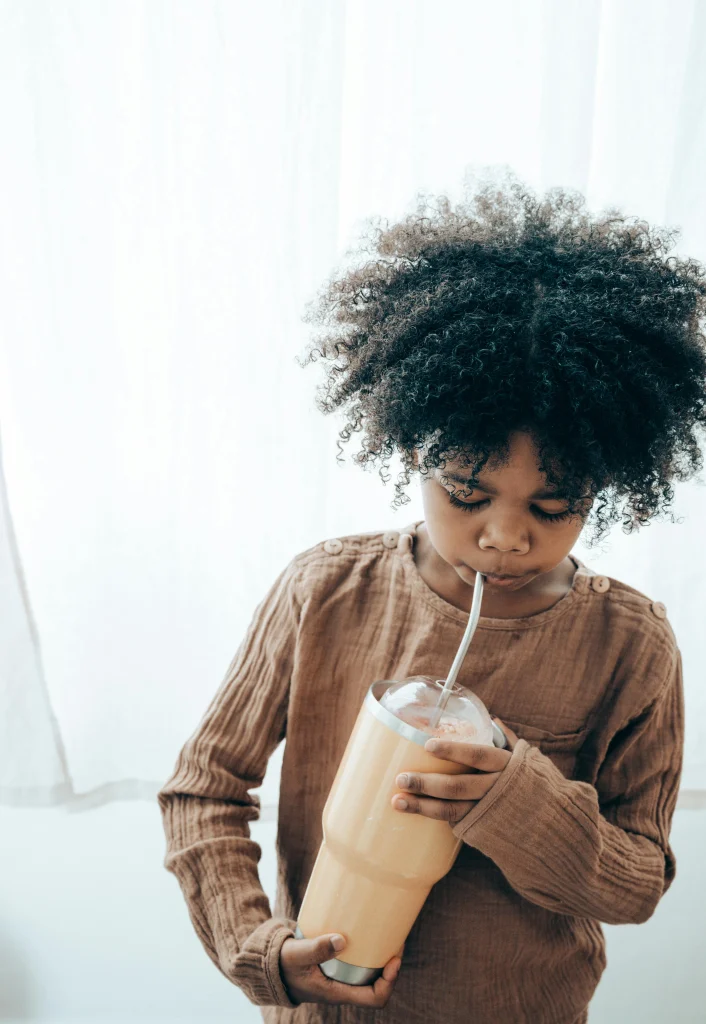
6. Make Veggie Popsicles
Surprise—veggies can be part of dessert!
Make popsicles using:
- Carrot juice + orange juice
- Spinach + mango + pineapple
- Beets + berries + yogurt
Pour into fun molds and freeze. Toddlers see it as a treat, not a sneaky veggie delivery system.
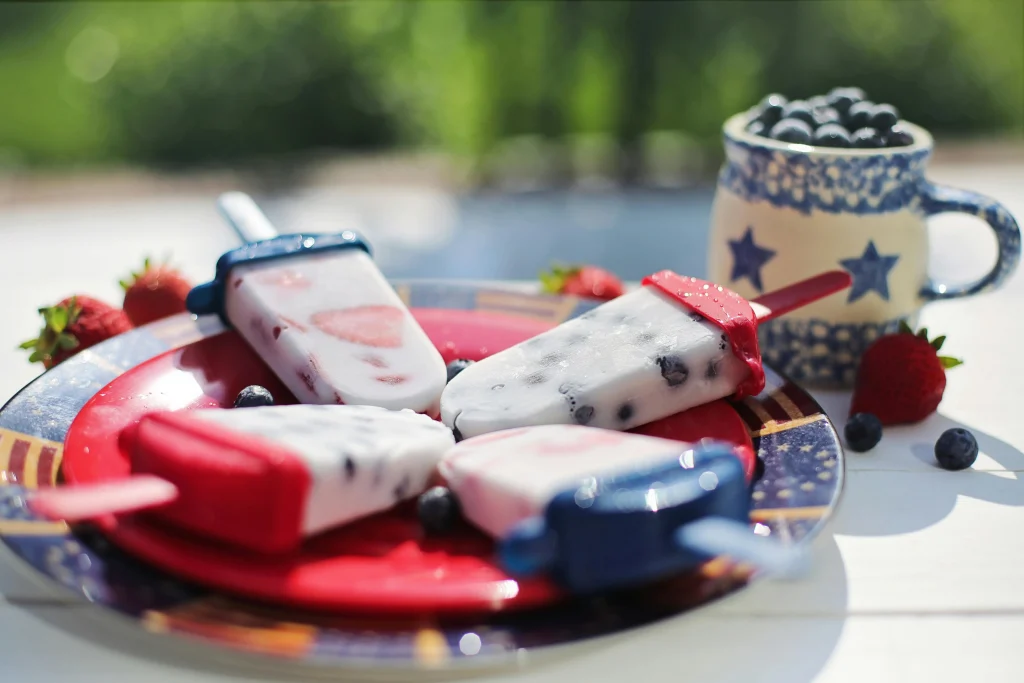
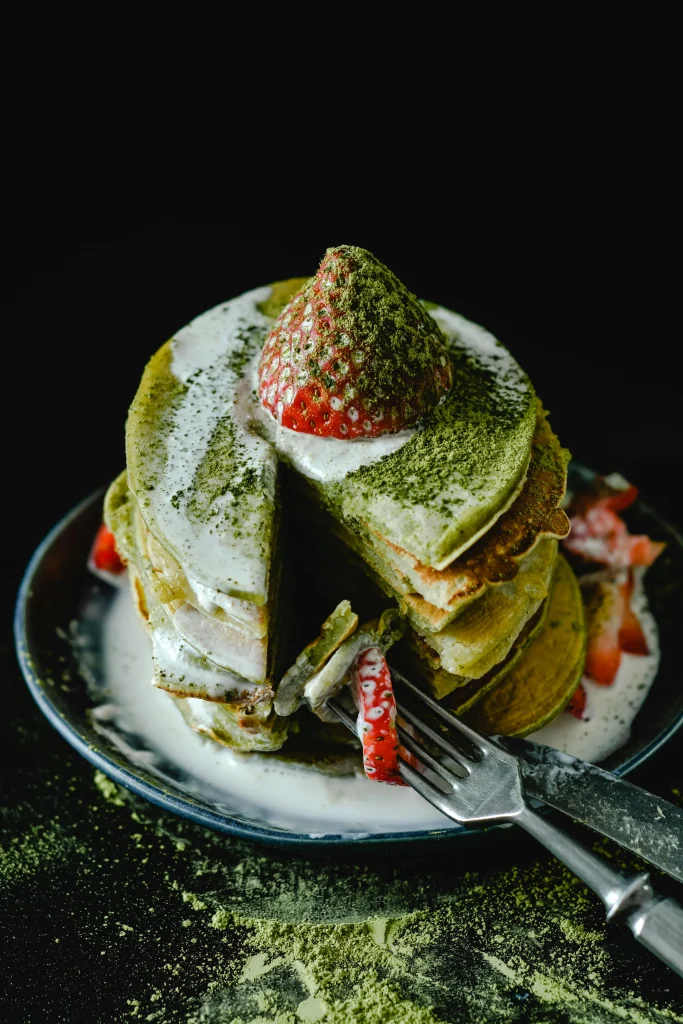
7. Bake Them into Muffins or Pancakes
You don’t have to hide veggies—but you can get creative.
Try:
- Zucchini or carrot muffins
- Sweet potato pancakes
- Cauliflower tots
- Spinach banana mini muffins
These are great for on-the-go snacking and picky eaters who aren’t fans of veggies in plain form.
8. Create DIY Toddler Snack Trays
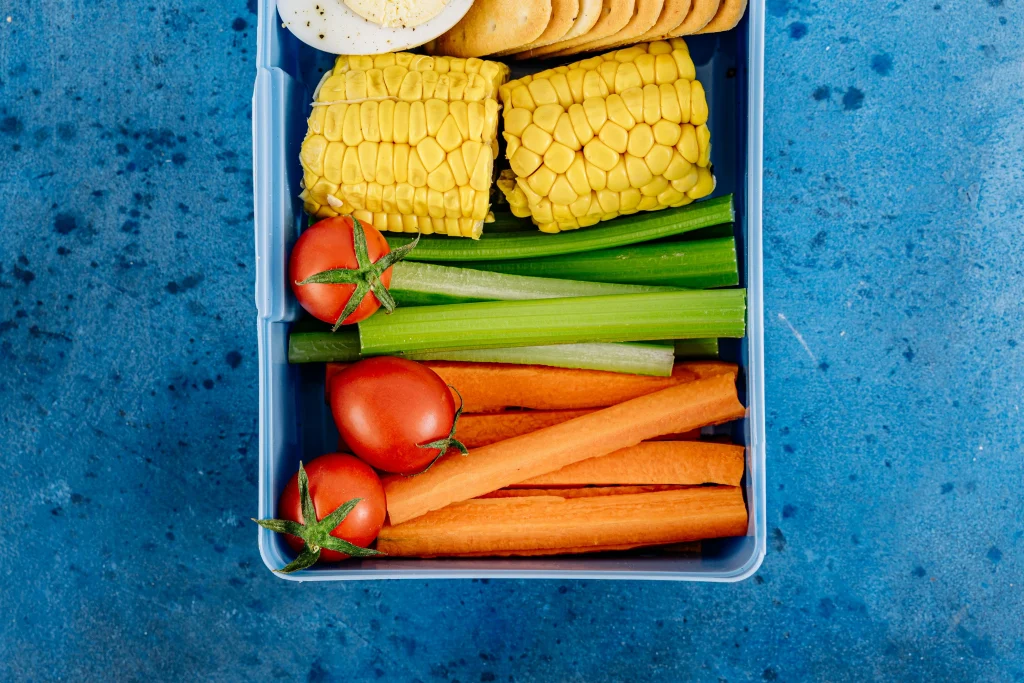
Toddlers love to snack—and they love choosing. So, make a bento-style snack tray with small amounts of:
- Veggie sticks
- Crackers
- Cheese cubes
- Dips
Keep the portions small and colorful. Even if they don’t eat everything, exposure is key.
9. Use Veggie Cutters and Fun Tools
There are tons of budget-friendly tools online to help veggies feel more fun:
- Star and heart-shaped veggie cutters
- Spiralizers for zucchini noodles
- Crinkle cutters for carrots and cucumbers
These little details can make a big difference. A star-shaped carrot? Magical.

10. Serve Veggies When They’re Most Hungry
Instead of offering veggies at the end of a meal (when your toddler is full), offer them as:
- A snack before dinner
- An appetizer while you’re cooking
- The first item on their plate
Hunger = higher chance of them taking a bite without resistance.
11. Normalize Veggies Through Repetition
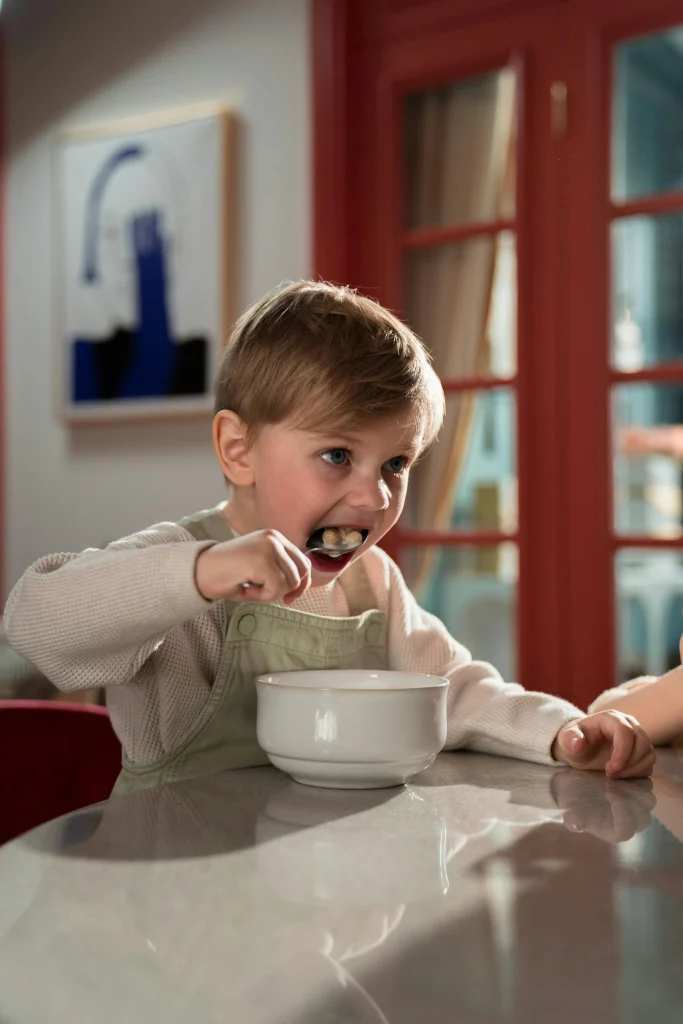
Studies show that it can take 8 to 15 tries before a child accepts a new vegetable. So don’t give up after one rejection!
- Keep offering without pressure
- Say “You don’t have to eat it, but it’s here”
- Eat it in front of them—toddlers copy what they see
Consistency without stress goes a long way.
12. Make Mealtime a Calm Experience
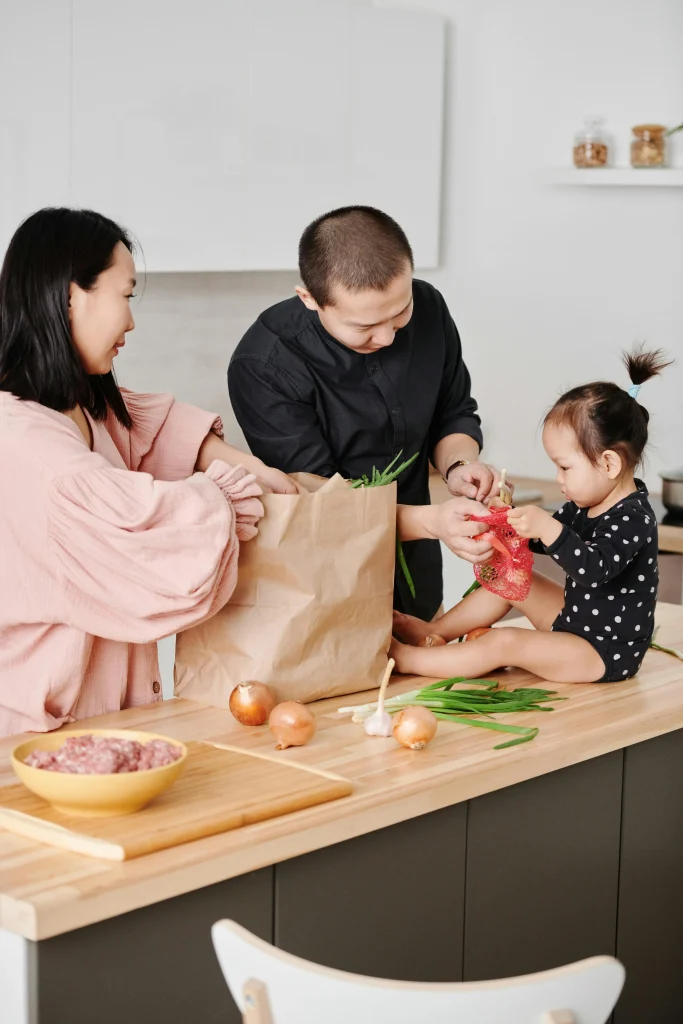
Pressure, bribes, or threats only make veggies seem worse. Instead:
- Keep mealtime stress-free
- Avoid force-feeding
- Focus on connection, not consumption
Let your toddler feel safe and in control at the table.
13. Use Books and Cartoons That Promote Veggies
There are great children’s books and cartoons that make vegetables fun:
- “Rah, Rah, Radishes!” by April Pulley Sayre
- “Eat Your Peas, Louise!” by Pegeen Snow
- Episodes of shows like “Daniel Tiger” or “Bluey” that talk about trying new foods
Linking positive messages to vegetables outside mealtime helps break down resistance.
14. Celebrate Tiny Wins
If your toddler licked a pepper? Awesome. Touched spinach for the first time? Celebrate it!
Avoid focusing on the amount eaten. Focus on progress.
Use praise like:
- “I’m so proud of you for trying!”
- “You helped make the dip, and that’s awesome!”
- “Thank you for exploring your food today!”

15. Model the Behavior Yourself
Toddlers mirror everything. If they see you eating and enjoying vegetables without making a fuss, they’re more likely to follow your lead.
Make veggies a normal part of your plate. No special speech needed—just quiet modeling.

Final Thoughts
Getting toddlers to eat vegetables doesn’t need to be a battle. With patience, playfulness, and consistency, your child can learn to enjoy (or at least tolerate) a wider variety of healthy foods.
Remember—you’re not failing if your toddler won’t eat broccoli today. You’re showing up, getting creative, and building healthy habits one bite at a time.