

How to Stop Your Toddler from Hitting (Without Harsh Punishments)
Few things feel more upsetting as a parent than watching your sweet toddler hit someone — especially when it seems to come out of nowhere. One moment they’re playing, the next they’re swatting your face or smacking a sibling.
If this sounds familiar, you’re not alone. Most toddlers go through a hitting phase. It’s not because they’re mean or aggressive — it’s because they’re developmentally normal toddlers still learning to manage big emotions.

Here’s how to stop toddlers from hitting gently and effectively, without yelling, shame, or punishment.
🧠 Why Do Toddlers Hit?
Understanding the “why” helps you respond with patience instead of frustration.
Common Reasons:
- Overwhelmed by emotion: Toddlers don’t have the words to say “I’m mad” or “I need space.”
- Testing boundaries: They want to know what’s okay and what’s not.
- Attention seeking: Any reaction — even negative — gets your focus.
- Lack of impulse control: The frontal lobe (which manages self-control) is still under construction.
🧠 According to child psychologists, toddlers don’t hit with “bad intentions” — they hit because they’re still learning emotional and physical regulation.

💡 Step-by-Step: What to Do When Your Toddler Hits
1. Stay Calm & Grounded
Your child needs your calm, not your chaos. Responding with anger models the very behavior you’re trying to stop.
Try saying: “I won’t let you hit. I’m here to help you.”
🧘♀️ If needed, take a deep breath before responding. Your energy sets the tone.

2. Set a Clear, Gentle Boundary
Instead of yelling “No hitting!”, calmly but firmly say:
“Hands are not for hitting. Hitting hurts.”
Use a neutral tone — it communicates seriousness without shaming.
3. Name the Emotion
Help your toddler understand what they’re feeling. Labeling their emotions builds self-awareness.
Try: “You’re feeling really mad that your toy was taken.”
Naming emotions reduces emotional intensity and supports language development.

4. Redirect the Behavior
Show them what to do instead of hitting:
- “You can stomp your feet.”
- “Let’s squeeze this pillow.”
- “Can you show me your angry face?”
Toddlers need concrete alternatives. Giving a physical outlet teaches emotional release in safe ways.

5. Reinforce Positive Behavior
Praise them when they express frustration appropriately:
“You told me you were mad with your words — I’m proud of you.”
This reinforces self-regulation without relying on fear or punishment.

🚫 What NOT to Do When Toddlers Hit
❌ Don’t Hit Back
This teaches them that hitting is an acceptable way to solve problems — exactly the opposite of what you want.
❌ Don’t Yell or Shame
Saying things like “You’re bad!” or “What’s wrong with you?” damages emotional safety.
❌ Don’t Ignore It Completely
While overreacting isn’t helpful, pretending it didn’t happen sends mixed messages. Always address hitting.

👶 Gentle Consequences That Work
You don’t need timeouts or punishments to teach respect. Instead, use connection-based consequences.
✅ Natural Consequences:
- If they hit during play: “We’re going to stop playing for now until we’re calm.”
- If they hit you: “I’m moving back to keep us safe.”
This teaches cause and effect without threats or fear.
🧸 Teach Through Repetition & Routine
Consistency is key. Every time your toddler hits, use the same calm steps:
- Set the boundary
- Name the feeling
- Offer an alternative
Over time, their brain builds new habits — just like learning to walk or talk.

Create a calm-down routine:
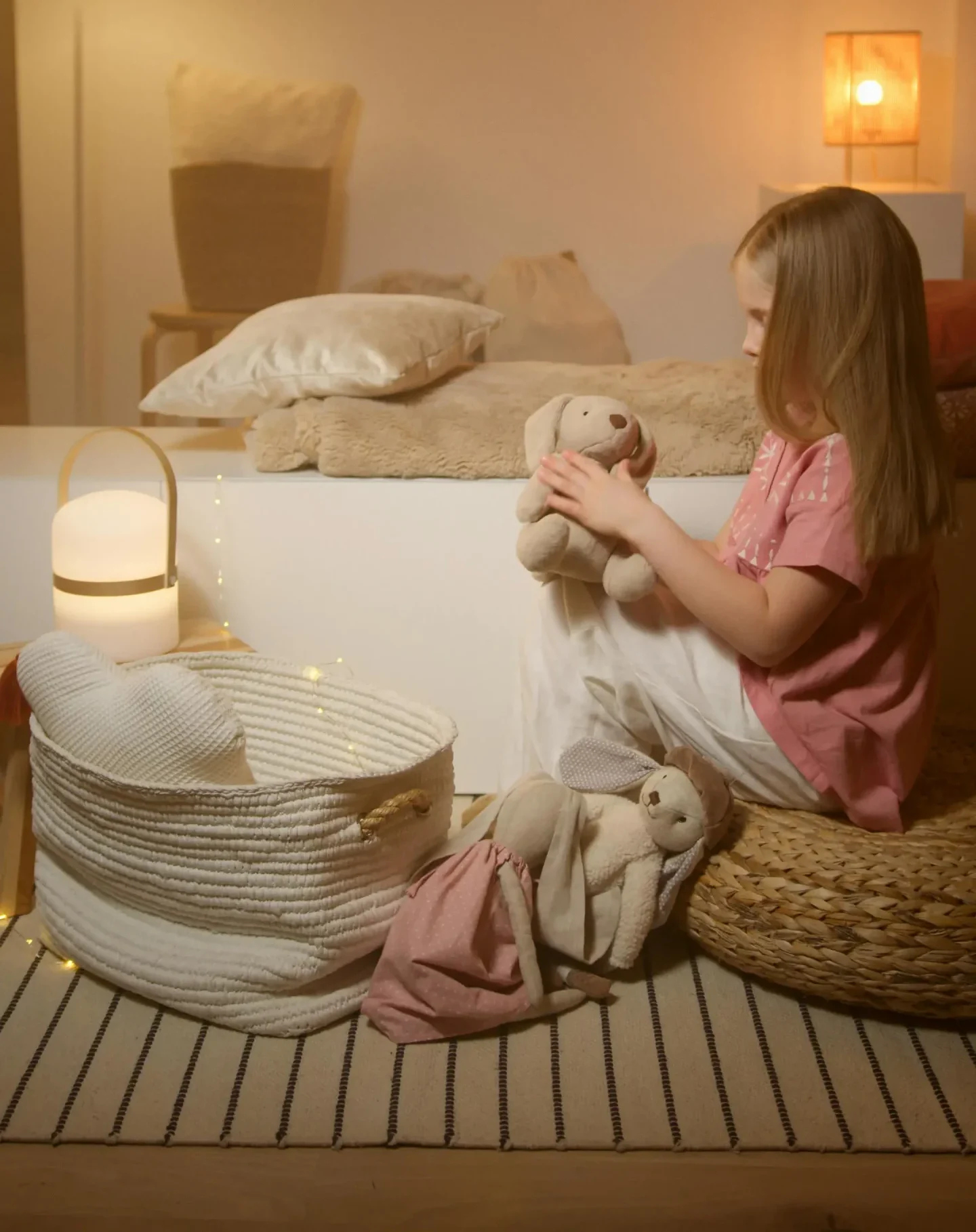
Have a basket of calming tools:
- Soft stuffed animal
- Calming bottle
- Crayons and paper
Offer this as a safe space when emotions run high.
❤️ What Your Toddler Really Needs
When toddlers hit, they’re not asking for discipline — they’re asking for help. Underneath the behavior is a tiny human feeling:
- Overwhelmed
- Confused
- Scared
- Unseen
By staying calm and connected, you teach your child how to handle strong emotions, not just how to avoid consequences.
Your child will remember how you made them feel more than what you said.
🪴 Final Thoughts
Hitting is a normal toddler behavior — but it doesn’t have to become a pattern. With gentle guidance, empathy, and clear boundaries, you can help your child move from reaction to regulation.
You’re not spoiling them by being kind. You’re showing them what kindness looks like — even during hard moments.
So the next time that little hand swings, take a deep breath. You’ve got this.
And so does your toddler. 💛


