
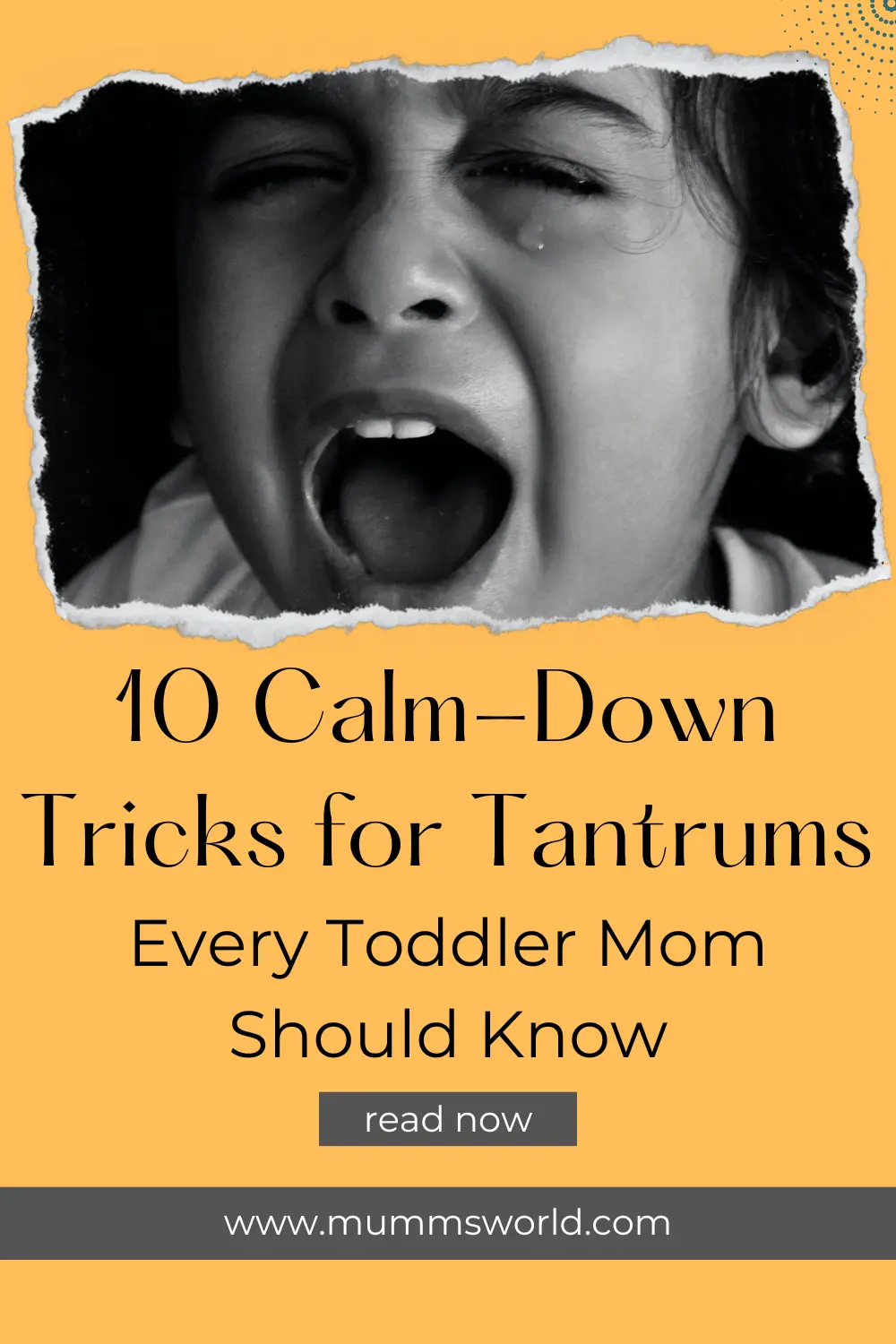
10 Calm-Down Tricks for Tantrums Every Toddler Mom Should Know
Tantrums are loud, messy, and emotionally draining for both toddlers and parents. If you’ve ever felt helpless while your little one screams on the floor of a grocery store, you’re not alone. I’ve been there, shoes flying and all. The emotional intensity of a toddler is real and raw, and as parents, it’s our job to help them ride the wave.
Understanding tantrums from a psychological perspective makes all the difference. It’s not “bad behavior” — it’s emotional overflow. Toddlers aren’t born with emotional regulation. That’s where we come in. Research from the American Academy of Pediatrics shows that tantrums peak between 18 months to 3 years, and they are a totally normal part of brain development.

Here are 10 calm-down tricks that are gentle, effective, and mom-approved. These techniques not only help in the moment but build emotional intelligence for life.
1. 🧘♀️ Mirror Calmness
Children feed off your energy. The calmer you stay, the faster they regulate.
Say: “I’m right here. Let’s take deep breaths together.”📌 Fact: According to Harvard’s Center on the Developing Child, co-regulation (calming with a trusted adult) helps build long-term emotional resilience.

2. 💧 Name the Emotion
Use phrases like: “You’re really upset because we had to leave the park, huh?”
Labeling helps toddlers feel understood and seen.
🧠 Why it works: Neuroscience shows that naming emotions reduces amygdala activity (the brain’s fear center), allowing kids to regain control.

3. 🐻 Use a “Calm-Down Toy”
Have a soft, sensory-rich toy just for comfort during meltdowns. Weighted plushies, sensory bottles, or squishy balls work wonders.
💡 Mom Tip: My 2-year-old has a stuffed bear named “Baba Bear” — the moment I hand it over, the volume drops. It’s our peace treaty.

4. 📆 Create a Calm-Down Corner
Design a cozy spot with pillows, books, and calm visuals. Let them go there freely, not as punishment.
Think of it as a “safe space” rather than a time-out. It’s about feeling safe, not shame.

5. 🎵 Try a Reset Button (Music or Water)
Soothing music or warm water on hands provides a sensory reset. Keep a toddler playlist or a bubble machine nearby.
😍 Water play has a calming effect on toddlers due to the predictable, repetitive sensory feedback.

6. 🤞 Gentle Touch or Rocking
Sometimes, your toddler doesn’t need words — just connection. Sit down, open your arms, and offer a cuddle. If they reject it, stay nearby and present.
🧠 Why this helps: Physical connection releases oxytocin (the bonding hormone), which reduces stress.

7. 🧒 Redirect with Choice
Offer two simple choices to shift their focus: “Do you want the blue or red cup?” This gives toddlers a sense of control without creating a power struggle.
🧠 Tip: Limit choices to two options — more than that overwhelms.

8. 📖 Read a Calm Story
Books like “Grumpy Monkey” or “When Sophie Gets Angry” are relatable and grounding.
🔗 Bonus: Keep a “quiet basket” with 2-3 calming books for emotional moments.

9. 🪨 Blow Bubbles
Blowing bubbles = deep breathing disguised as play. It slows the breath and encourages focus. You can even say: “Let’s blow the mad away.”
🎈 Activity: Use scented bubbles or colored ones for a multi-sensory reset.

10. ❤️ Connect After the Storm
Once the tantrum ends, always follow up with love.
“It’s okay to feel angry. I still love you, even when you’re upset.”
🌿 Repairing after a meltdown strengthens emotional trust and teaches that big feelings are safe to express.
Bonus: What NOT to Do During a Tantrum
- ❌ Don’t shame or mock them
- ❌ Don’t yell or physically remove them harshly
- ❌ Don’t try to rationalize mid-meltdown (they’re not in logic mode)
Wait for the wave to pass, then talk.

🧬 When to Worry About Tantrums
Most tantrums are totally normal. But you might want to speak with a pediatrician if:
- Tantrums happen multiple times daily, even past age 4
- Your child hurts themselves or others often
- They don’t calm down with consistent routines
🚀 Final Thoughts
There’s no one-size-fits-all solution to tantrums, but empathy, patience, and preparedness go a long way. These calm-down tricks aren’t just quick fixes — they’re tools to raise emotionally strong kids.
You’re not a bad parent for having a child who tantrums. You’re a great parent for learning how to meet them where they are. Keep showing up. Keep breathing. You’re doing amazing. 💕