

Screen Time for Toddlers: Healthy Limits Every Parent Should Know
In today’s tech-driven world, it’s almost impossible to avoid screens. From smartphones and tablets to TVs and laptops, screens are everywhere—and toddlers are increasingly exposed to them. But how much screen time is too much? And how can moms set healthy limits without constant meltdowns? This guide breaks down everything you need to know about toddler screen time and how to manage it with confidence and care.

Why Screen Time Matters for Toddlers
During the early years, a child’s brain is developing rapidly. Every experience, interaction, and environment shapes how they learn, communicate, and behave. Excessive screen time can interfere with crucial developmental milestones such as language, motor skills, and social bonding.
The American Academy of Pediatrics (AAP) recommends:
- No screen time for babies under 18 months, except for video chatting.
- Up to 1 hour of high-quality programming daily for children aged 2 to 5, with adult supervision.
But real life is messier than guidelines—and that’s okay. The key lies in balance and being intentional with screen use.

The Hidden Downsides of Too Much Screen Time
Even if your toddler watches calm cartoons or educational videos, too much screen exposure can affect their development. Here’s what researchers and pediatricians warn about:

1. Delayed Speech and Language
Toddlers learn to talk by interacting with adults and copying sounds. Screens don’t respond or engage the way real people do, making it harder for kids to practice speaking.
2. Disrupted Sleep Patterns
Blue light from screens can mess with melatonin production, making it harder for toddlers to fall asleep or stay asleep—especially if they’ve used screens close to bedtime.

3. Reduced Physical Activity
Time in front of screens often replaces running, jumping, and playing. This can lead to poor motor skills and increase the risk of childhood obesity.

4. Difficulty Focusing
Fast-paced cartoons or constant switching between apps can make it hard for toddlers to concentrate on one task, impacting their attention span.

Benefits of Limited, High-Quality Screen Time
Not all screen time is bad. When used wisely, digital content can offer several benefits—especially when you’re involved in your child’s experience.

1. Educational Value
Shows like Sesame Street or Daniel Tiger’s Neighborhood can teach empathy, counting, manners, and vocabulary when paired with parent involvement.
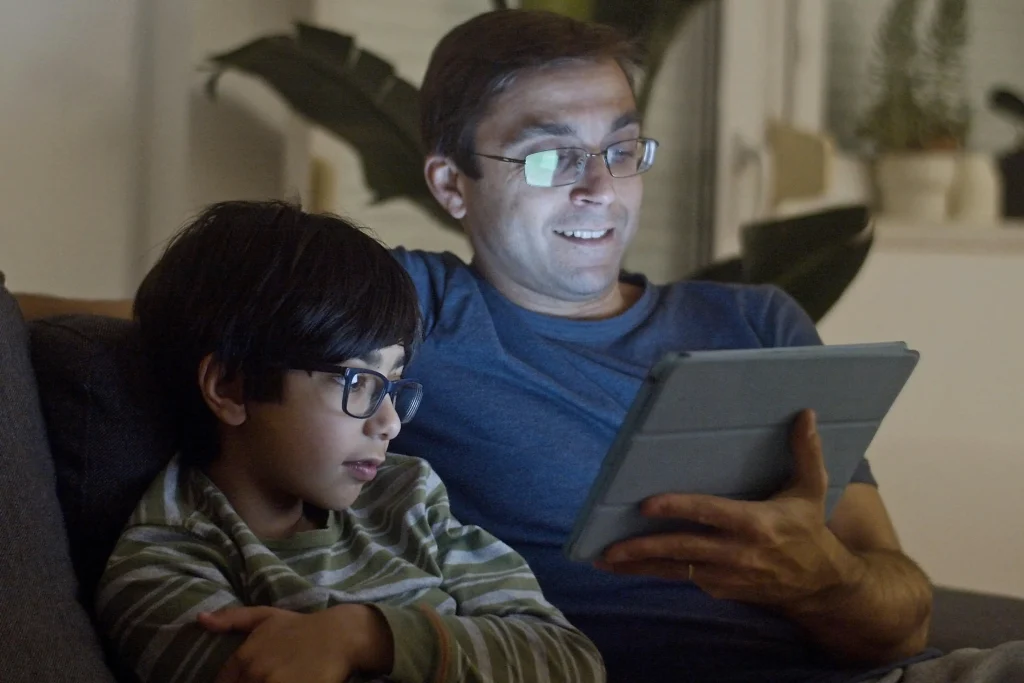
2. Family Bonding
Watching a show or video together opens the door for discussion, shared laughs, and quality time—especially if you talk about what you watched afterward.


3. Calm Breaks for Moms
Let’s be real—sometimes you just need 20 minutes to cook dinner, take a call, or sit down. Controlled screen time can offer that breather without guilt.

Signs Your Toddler Needs a Screen Time Reset
Not sure if the screen time in your house is becoming a problem? Look out for these red flags:
- Your toddler gets aggressive, emotional, or cranky when the screen is turned off.
- They constantly ask for phones or tablets, even when it’s playtime or mealtime.
- You’re noticing delays in speech, sleep issues, or mood swings.
If any of these apply, don’t panic. A gentle reset and some structure can make a big difference.

Tips for Setting Healthy Screen Time Limits
Managing screen time doesn’t have to mean tantrums or power struggles. Try these practical strategies that actually work for real moms:
1. Create a Clear Daily Schedule
Include screen time as part of the daily routine, just like snack time or nap time. Toddlers thrive on structure, and when they know what to expect, they resist less.

2. Set a Timer
Use a visual timer (like a sand clock or digital countdown) to signal how long they can watch. When the timer goes off, it’s done—no negotiations.

3. Use Screen Time as a Tool, Not a Crutch
Save screen time for when it’s truly helpful—like during travel, sick days, or while you’re finishing an important task—not as a default activity.

4. Keep Screens Out of Bedrooms
Bedrooms should be screen-free zones. This helps toddlers associate their room with rest, not stimulation.

5. Watch Together When Possible
Co-viewing gives you a chance to explain what’s happening, ask questions, and model learning. Your presence makes the experience interactive—not passive.

Best Types of Screen Content for Toddlers
All screen time isn’t equal. The type of content your toddler watches is just as important as the duration. Prioritize:
- Slow-paced, calm content without flashing images or loud sounds.
- Educational shows with simple language and positive messaging.
- Interactive apps that encourage movement, problem-solving, or speaking.

Avoid:
- Violent or fast-cutting cartoons
- Advertisements or content with in-app purchases
- Endless auto-play loops on YouTube

What to Do Instead of Screens
Sometimes, the easiest way to reduce screen time is to have go-to alternatives that keep toddlers entertained. Here are some mom-approved ideas:
- Water play: Fill a tub or bowl with water and add cups or toys.
- Sticker books or coloring pages: Easy and mess-free creativity.
- Dance party: Put on music and move together.
- Sensory bins: Rice, oats, or pom-poms in a container provide fun for ages.
- Outdoor time: Nature offers the best stimulation—run, jump, and explore!
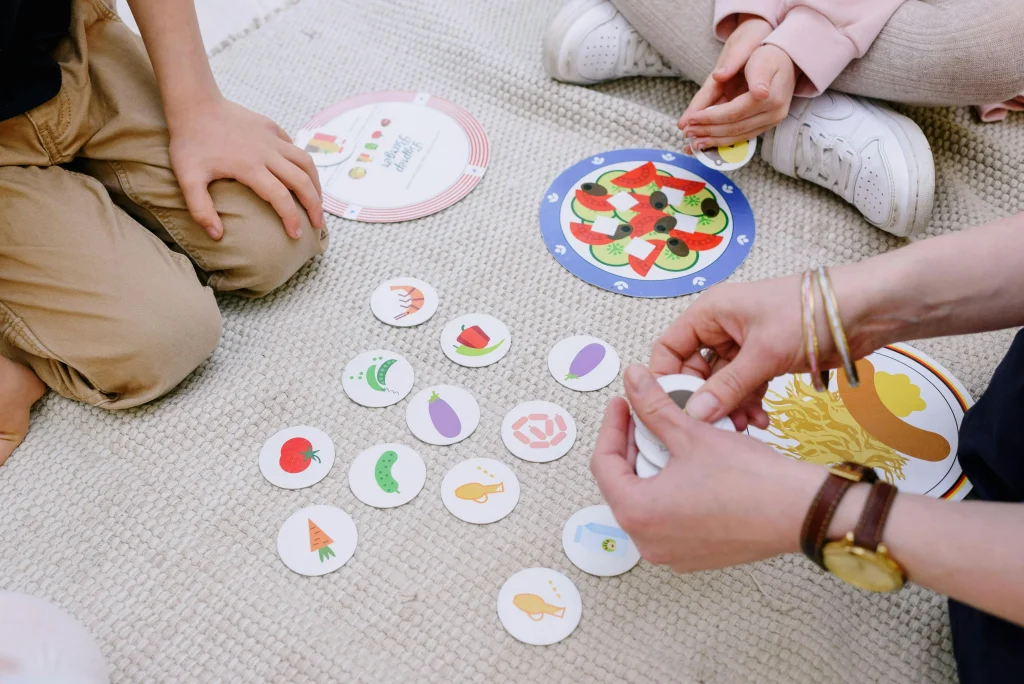
Be Flexible but Consistent
Every family is different, and so is every toddler. Some may be more screen-sensitive, while others handle short periods just fine. It’s okay to bend the rules occasionally—as long as you return to your baseline routine.
If screen time went overboard during a vacation, a sick week, or a tough parenting season, don’t beat yourself up. What matters most is your intention and your effort to keep screen use balanced.
Final Thoughts
Screen time for toddlers doesn’t have to be scary—it just needs to be smart. When you combine high-quality content with clear boundaries and parental involvement, screens can become a tool rather than a threat. The goal isn’t perfection—it’s balance, presence, and connection.
You’re doing your best, mama. And that’s more


