
25 Positive Parenting Phrases That Actually Work (And What to Say Instead of “Stop It!”)
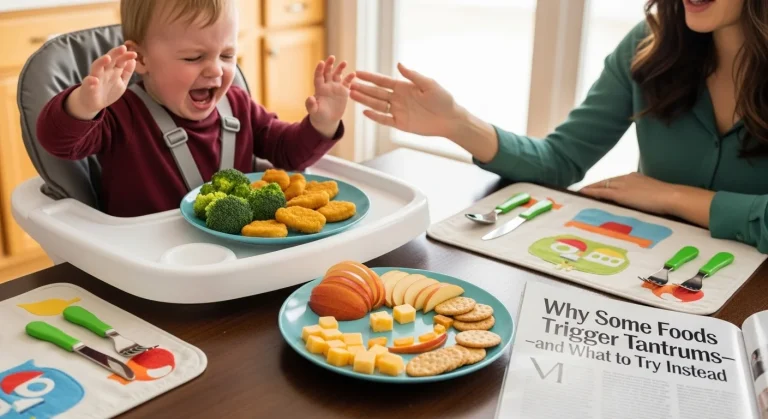
Let’s be honest — yelling “Stop that!” or “Because I said so!” might feel natural in the heat of the moment, especially when you’re running on caffeine and 3 hours of sleep. But how often do those phrases really work?
What if you could speak to your toddler or young child in a way that gets them to listen — without yelling, threats, or guilt?
That’s where positive parenting phrases come in. These are respectful, gentle, yet firm ways to guide your child’s behavior. And the best part? They actually help your child feel seen, understood, and safe — even when you’re setting boundaries.

Let’s explore 25 powerful alternatives that work in real-life parenting moments.
🧠 Why Positive Phrases Work Better Than Commands
Positive parenting isn’t about letting your child do whatever they want — it’s about guiding them with empathy and respect.
Kids, especially toddlers and preschoolers, don’t respond well to harsh words or shame. Their brains are still developing self-regulation, and when we yell or criticize, it only increases stress and defiance.
But when we offer clear, calm, and encouraging words, we:
- Promote cooperation
- Model emotional control
- Build trust and long-term listening skills
🗣️ 25 Positive Parenting Phrases That Get Results
Here are real examples of what to say instead of common “negative” parenting commands — plus why they work.
1. Instead of: “Stop running!”
Say: “Please use your walking feet inside.”
Explains what to do, not just what not to do.

2. Instead of: “Don’t hit your sister!”
Say: “Hands are for helping, not hurting. Let’s find kind hands.”
Redirects the behavior while reinforcing empathy.
3. Instead of: “Be quiet!”
Say: “Let’s use our indoor voice now.”
Sets a clear boundary with a calm tone.

4. Instead of: “You’re being so bad!”
Say: “You’re having a tough time. I’m here to help.”
Validates the feeling while staying connected.
5. Instead of: “Because I said so.”
Say: “I understand that’s hard. Here’s why we need to do it…”
Builds trust and models respectful communication.

6. “Let’s take a break and breathe together.”
Great for helping your child reset during a meltdown.

7. “You’re feeling big feelings. That’s okay.”
Normalizes emotions and avoids shaming.
8. “Would you like help or can you do it on your own?”
Empowers independence while offering support.

9. “I see you’re upset. Let’s find a solution together.”
Collaborative instead of controlling.
10. “It’s okay to be mad, but it’s not okay to hit.”
Sets boundaries without blame.

11. “I need you to keep your body calm right now.”
Soft, non-judgmental correction.
12. “Let’s try again with gentle hands.”
Invites better behavior without scolding.

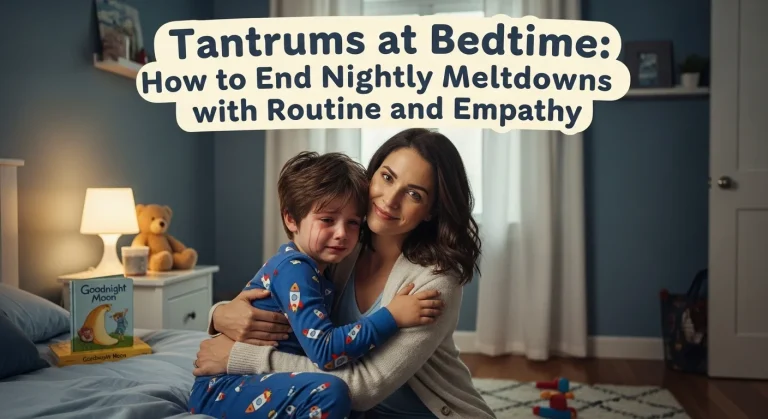
13. “You can cry. I’m right here with you.”
Offers emotional safety during a tantrum.
14. “What can we do next time instead?”
Teaches problem-solving, not punishment.
15. “Your feelings are big — but they’re not too big for me.”
Reassures children that they’re not alone.
16. “We don’t throw toys. Can you show me a safe way to play?”
Redirects behavior with a teachable moment.
17. “I love you, even when you’re upset.”
Unconditional love reinforces security.
18. “I need your help. Can you be my helper?”
Kids love feeling capable and important.
19. “Let’s clean up together and make it fun!”
Encourages cooperation without nagging.
20. “That’s a tough choice. What do you think we should do?”
Promotes critical thinking and ownership.
21. “Can I give you a hug or some space?”
Lets your child choose what helps them calm down.

22. “You’re learning. It’s okay to make mistakes.”
Supports growth mindset instead of fear.
23. “I’m proud of you for trying your best.”
Encourages effort, not perfection.

24. “You handled that in such a calm way!”
Praises self-regulation when it happens.
25. “I’m listening.”
Sometimes, this is the only phrase they need to hear.

💡 Real Mom Tip: Practice Makes Natural
These phrases might feel awkward at first. That’s normal. The more you use them, the more naturally they’ll come — and the more calmly your child will respond.
It’s not about perfection. It’s about connection.
🧒 Positive Parenting in Action: A Quick Example
Scenario: Your toddler throws blocks in frustration.
Old response: “Stop that! You’re being bad!”
Positive response:
🗣 “You’re feeling frustrated. It’s okay to feel that way, but we can’t throw blocks. Want to build something together instead?”
Result? The tantrum eases. Your toddler feels seen. You stay calm. Win-win.
✅ Final Thoughts
Positive parenting phrases aren’t just feel-good fluff — they’re powerful tools backed by child development science. The way you speak to your child shapes their inner voice, their behavior, and their ability to handle emotions.
You’re not just trying to “control” a moment. You’re building a lifelong relationship — based on empathy, respect, and trust.
So next time you’re tempted to shout, pause. Breathe. And choose one of these phrases instead.
Because words matter — especially when they come from mom.