
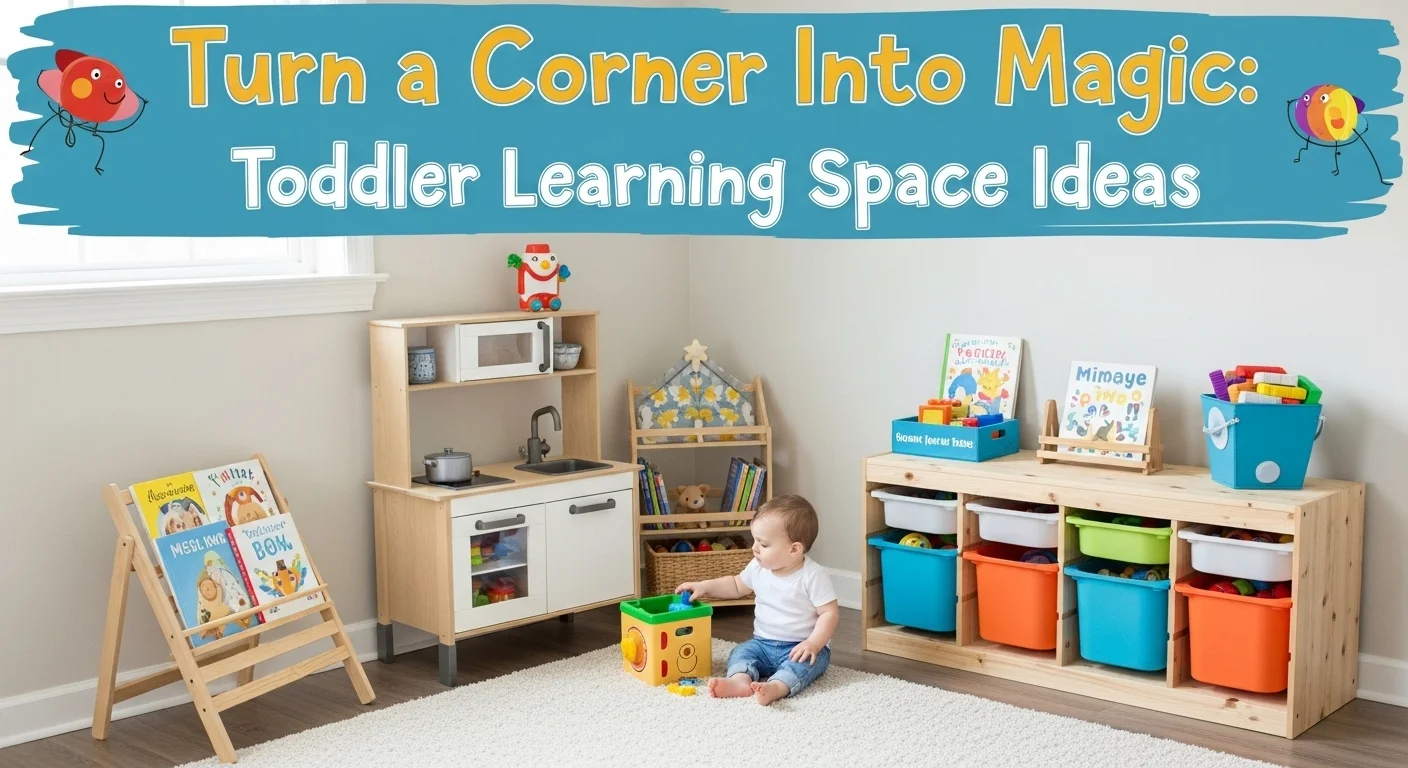
Turn a Corner Into Magic: Toddler Learning Space Ideas
Why a Learning Space Matters for Toddlers
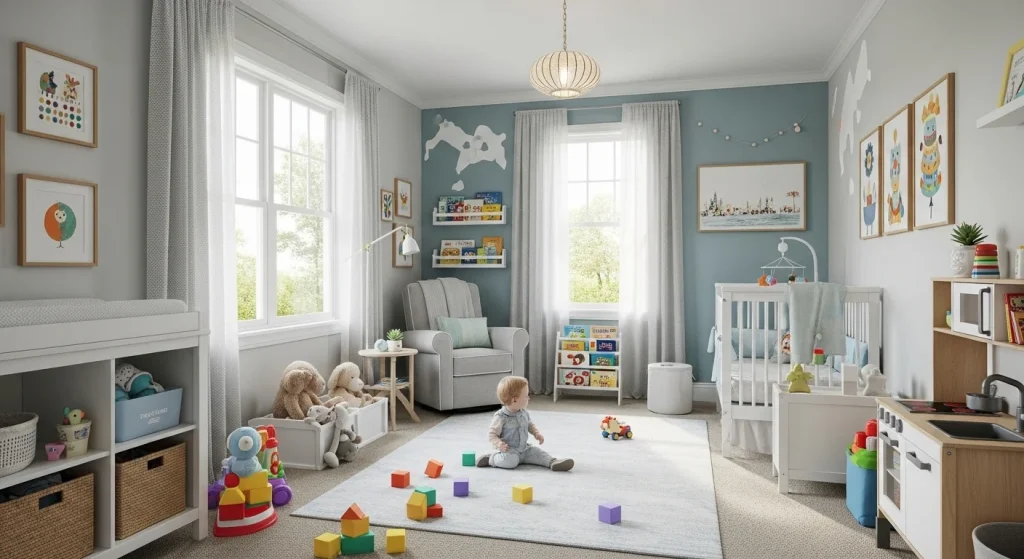
Creating a Toddler Learning Space Ideas at home isn’t just about organizing toys — it’s about sparking imagination, independence, and growth in their early years. Kids thrive in environments built just for them.
Encouraging Curiosity and Independence
A corner filled with age-appropriate materials lets toddlers explore safely. When they know where things are, they naturally start making choices and decisions — hello, confidence!
Helping with Routine and Focus
A dedicated spot makes it easier for your child to transition from play to learning and back. It signals, “This is our learning time,” even if it only lasts 10 minutes.
Making Learning Feel Like Play
Toddlers learn best through play. A well-set-up space encourages exploration and creativity without feeling like school.
How to Choose the Right Corner
Not every corner is created equal. Here’s what to look for.
Natural Lighting and Quiet Areas
A sunny corner with natural light makes the space inviting and good for mood and focus. Avoid areas too close to TVs or busy kitchens.

Away from Distractions
A quieter part of the home works best, especially if your child gets overstimulated easily. Try a corner in the living room or bedroom.
Safe and Visible for Parents
Choose a corner where you can keep an eye out, but still allow your toddler to feel independent.
Key Elements of a Toddler Learning Space
Let’s talk about what actually makes a space work for a toddler.
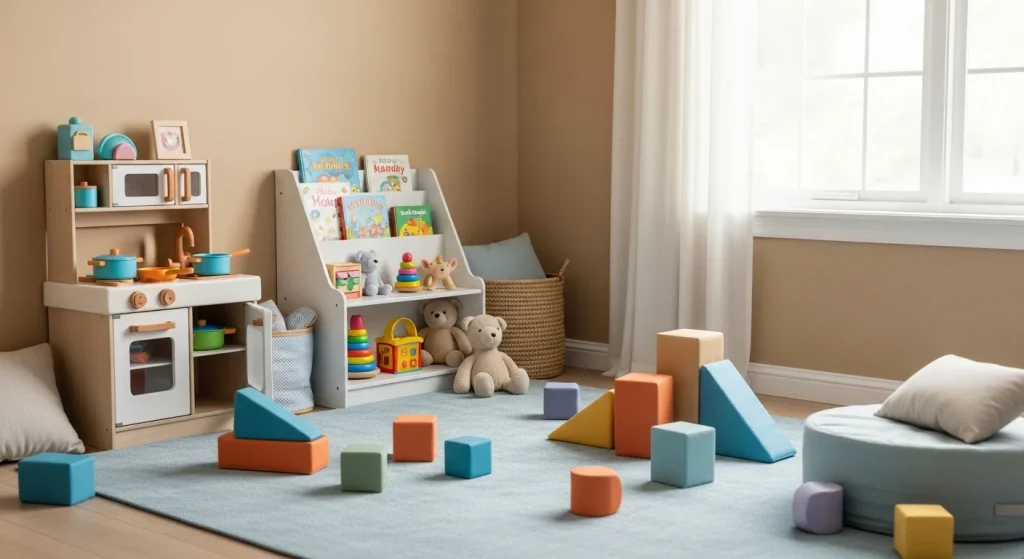
Low Shelving and Open Storage
This empowers kids to choose what they want to play with. Bonus: It teaches organization early.
Soft Seating and Cozy Corners
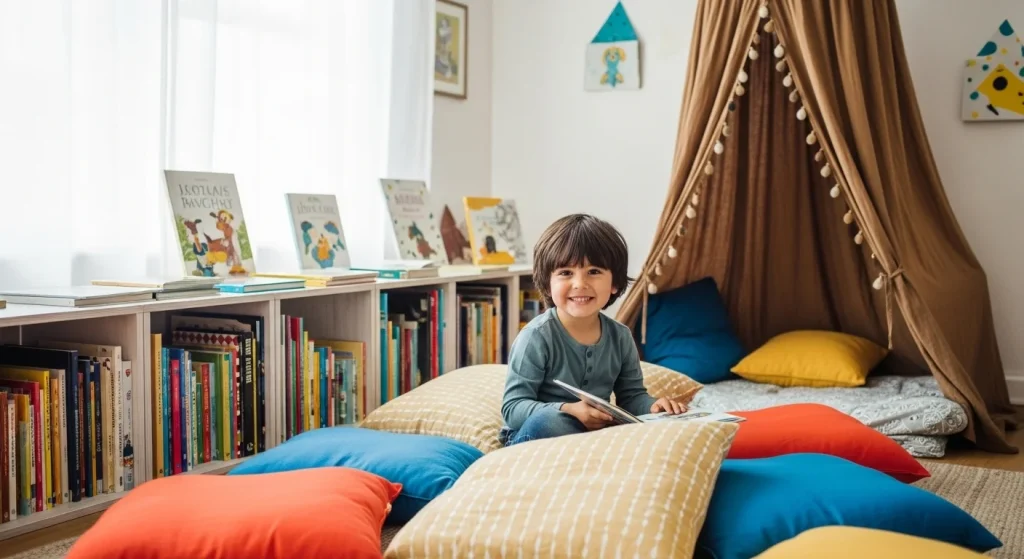
Add a beanbag, rug, or child-sized armchair for reading or resting time. Comfort counts.

Interactive Walls and Boards
Chalkboards, magnetic walls, or pegboards make vertical space fun and useful.
Child-Sized Furniture
Think low tables, tiny stools, and furniture that’s easy for toddlers to use all by themselves.

Design Themes to Spark Creativity
Design can inspire — here are some dreamy toddler-friendly themes.
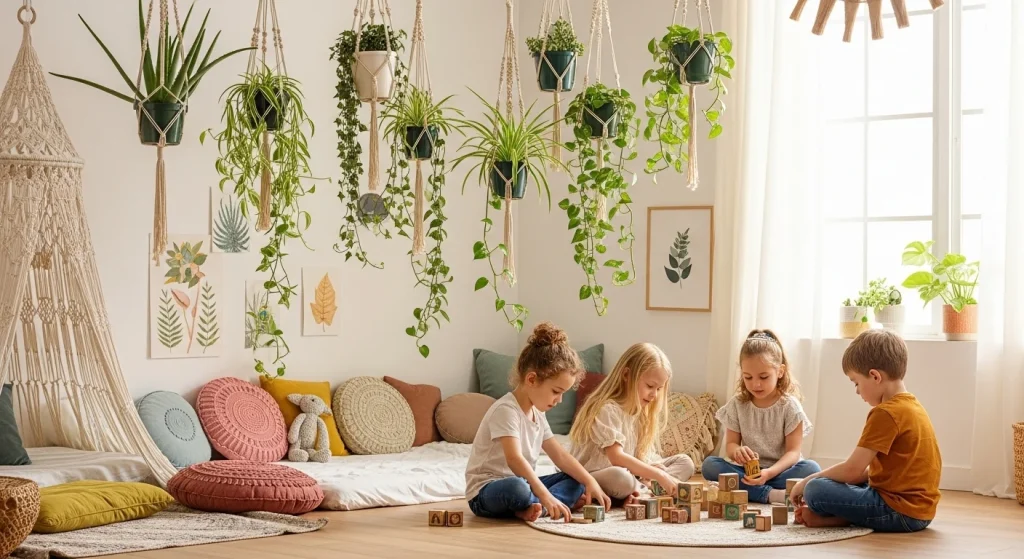
Boho Style Magic
Soft tones, natural textures, and calming vibes make Boho one of the best styles for toddlers. Try rattan baskets, floor pillows, and neutral tones with pops of earthy colors.
Nature-Inspired Calm Zones
Bring the outdoors inside with leaf-shaped rugs, wooden toys, and animal prints.

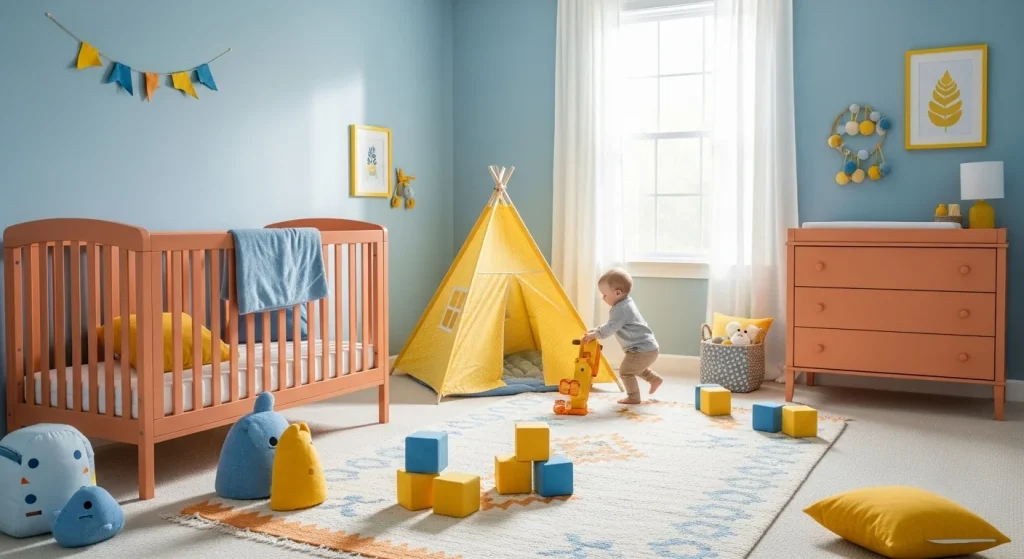
Colorful and Playful Corners
Use colors to encourage imagination — just don’t overdo it. Stick to a palette and let accessories shine.
Must-Have Learning Materials
You don’t need tons of stuff — just the right mix of tools that spark interest and learning.
Books and Storytime Bins
Have a rotating selection of board books and picture books in reach. Create a reading nook to make it extra special.
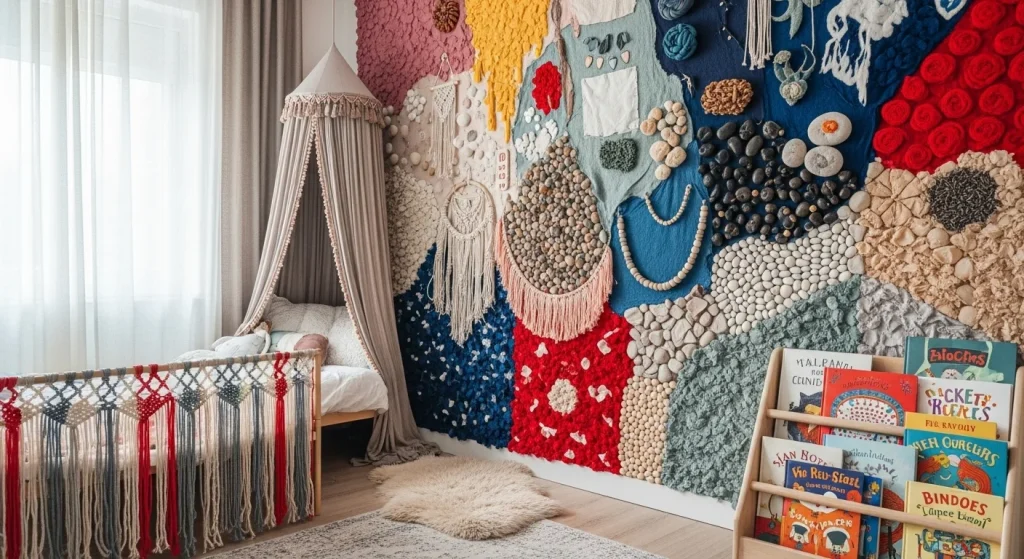
Sensory Play Tools
Think kinetic sand, water beads, or textured fabrics — perfect for touch and feel exploration.
Educational Toys and Puzzles
Look for toys that support color matching, shapes, letters, and problem-solving.

Art Supplies for Free Expression
Non-toxic crayons, paint sticks, stickers, and paper — let them go wild!
Organizing the Space for Function and Fun
You want a space that’s fun and functional? Here’s how.
Label Everything (with Pictures!)
Toddlers can’t read yet — so picture labels help them know where things go.
Rotating Toys for Fresh Interest
Keep only a few toys out at a time. Swap them weekly to renew interest without spending a dime.
Create Mini Zones for Different Skills
Try zones for reading, building, art, and sensory play. This adds structure and flow.
Personalizing the Space
Let your child feel like the space is truly theirs.
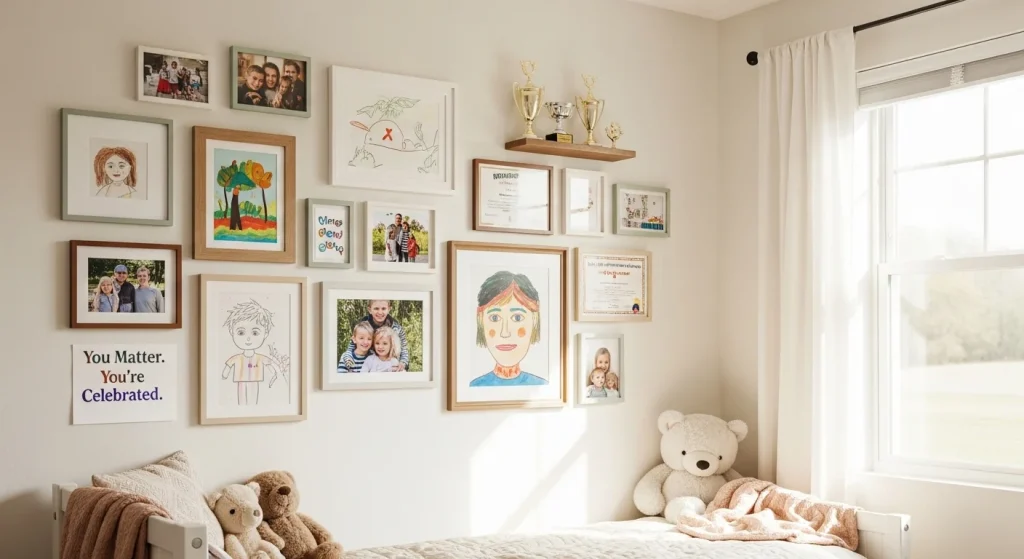
Add Family Photos or Artwork
Frame their drawings or add a small family photo wall. It adds comfort and pride.

Let Them Pick Their Favorite Items
Ask your child what books, toys, or animals they want nearby. Their picks might surprise you.
Celebrate Their Little Achievements
Use bulletin boards to pin crafts or learning milestones — it’s a mini gallery of wins.
Storage Solutions That Actually Work
Clutter can ruin a great space. Let’s keep things tidy.
Bins, Baskets & Clear Boxes
Make sure everything is easy to see and easy to grab. Clear containers = win.

Wall Hooks and Hanging Bags
Free up floor space by going vertical. Hooks for hats, bags, and aprons are both cute and practical.

Under-the-Table Storage
Tuck away toys in baskets under the table — hidden but handy.
Keeping It Budget-Friendly
You don’t need a fortune to create magic.
DIY Ideas Using Household Items
Use mason jars for crayons, cereal boxes for sorting games, and old furniture for upcycling.

Thrift Store Finds & Repurposing
You’d be surprised what gems you can find secondhand. Give old items a kid-friendly makeover.
Budget Brands That Still Look Great
Brands like IKEA, Target, or even Dollar Tree can help you create a stylish, functional corner affordably.
Safety First!
Never sacrifice safety for style.
Baby-Proofing Musts
Cover sharp corners, use outlet covers, and anchor furniture.
Secure Furniture and Soft Edges
Bookshelves must be stable. Add edge guards to tables.
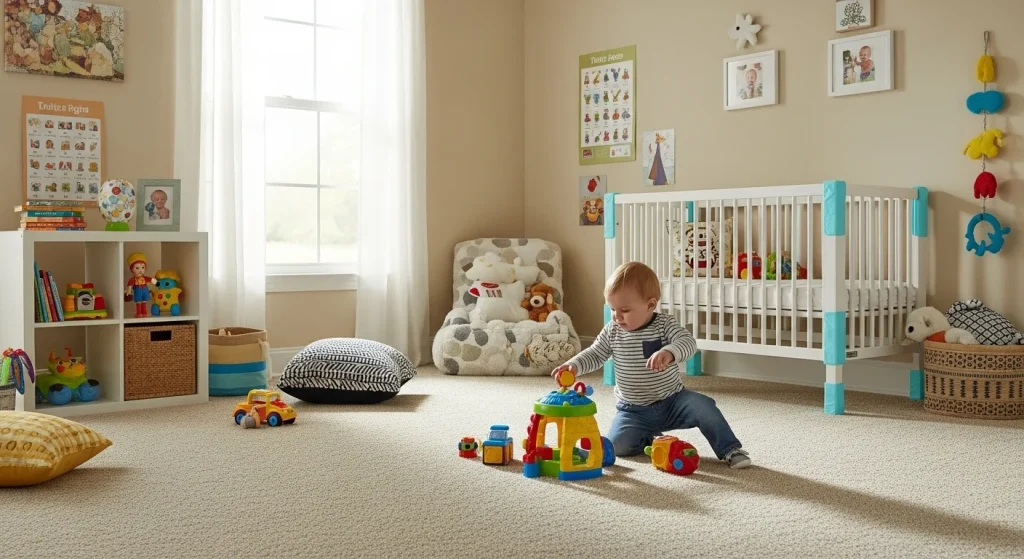
Non-Toxic Materials Only
Always choose materials that are BPA-free and safe for toddlers to touch (and chew on!).
Making the Space Evolve with Your Child
What works at 2 won’t work at 4. Plan for change.
Grow With Me Furniture
Adjustable chairs or convertible tables grow as your toddler does.
Swap Out Decor for Age Levels
Trade board books for early readers or sensory toys for STEM kits over time.
Update Learning Materials Regularly
Keep an eye on what your child is into and tweak accordingly.
Boho-Inspired Toddler Rooms
Want the ultimate cozy vibe? Boho is your best friend.
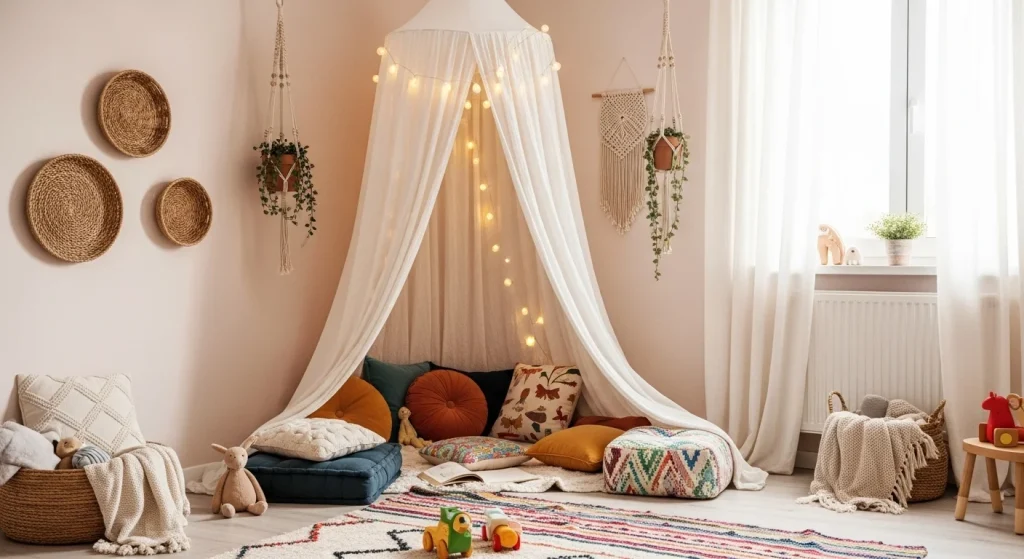
Warm Tones and Natural Textures
Think earthy palettes — creams, rust, sage, and soft blushes.
Use of Macramé, Rattan, and Floor Cushions
Layer texture using macramé wall hangings, floor poufs, and soft bedding.
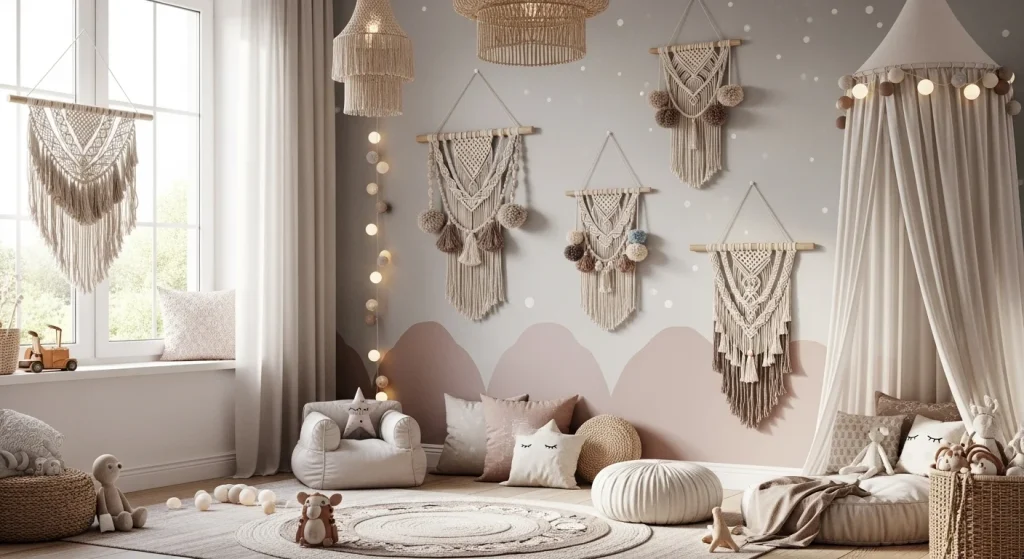
Feature Idea: Boho Kids Rooms by Mumms World
Get inspired by dreamy setups and curated toddler-safe furniture and décor.
Real Mom Tips to Make It Magical
Here’s what real moms swear by.
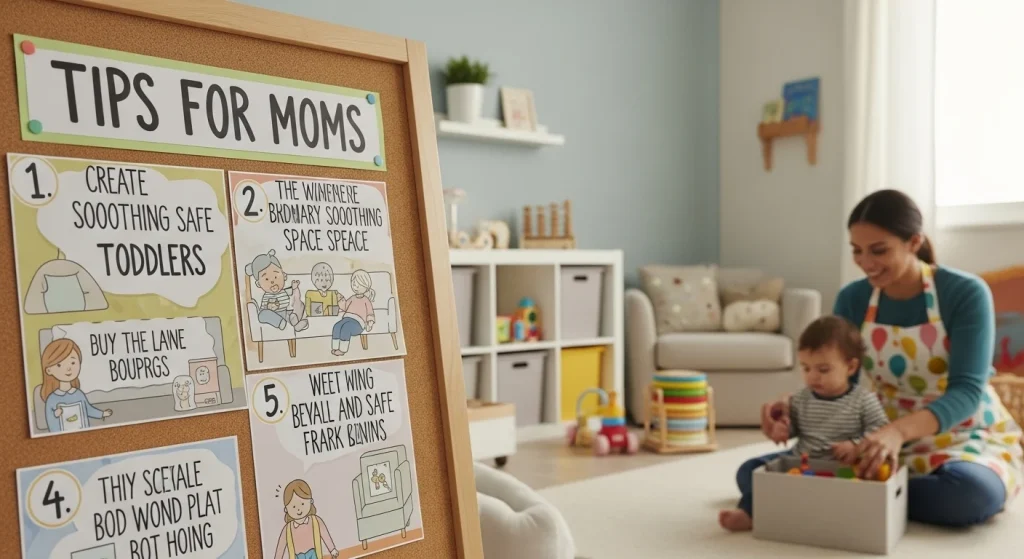
“Less is More” – Avoid Overcrowding
Too much stuff leads to overwhelm. Keep it simple, clear, and calm.
Involve Your Toddler in the Setup
Let them “help” organize — it builds excitement and ownership.
Keep It Flexible – It’s a Living Space
Rearrange and adapt often. A flexible setup works best with changing needs.
Conclusion
Turning a corner into a magical toddler learning space doesn’t take a big budget or a fancy room — just a little love, intention, and creativity. By creating a cozy, inviting, and functional space, you give your little one a launchpad for imagination, independence, and joyful learning. Start small, follow their lead, and enjoy the transformation.
FAQs
1. How small of a space can I use for a toddler learning area?
You can start with as little as 3×3 feet! It’s about what you include, not how big it is.
2. Can I set up a learning space in the living room?
Absolutely! Just pick a quiet, low-traffic corner and use calming colors and storage solutions.
3. What’s the best age to start a learning corner?
As early as 12–18 months. Keep it soft, safe, and full of textures to explore.
4. How often should I rotate toys?
Every 1–2 weeks is ideal. This keeps your toddler interested without overwhelming them.
5. What are the signs that the space is working?
When your toddler starts going there on their own and engages with the materials, you know you’ve nailed it!


