

Sensory Play Ideas to Boost Toddler Development
As moms, we know toddlers are curious little explorers. They learn best not by sitting still, but by touching, squishing, banging, and tasting the world around them. That’s where sensory play becomes a powerful tool—not just for fun, but for real growth. From improving motor skills to building language, sensory activities are more than messy play—they’re mini brain-boosters!
In this article, I’ll share some of my favorite sensory play ideas that are easy, affordable, and developmentally valuable. Whether you’re a first-time mom or juggling multiple kiddos, these activities will make your toddler’s learning journey more hands-on and joyful.
🌟 What Is Sensory Play?
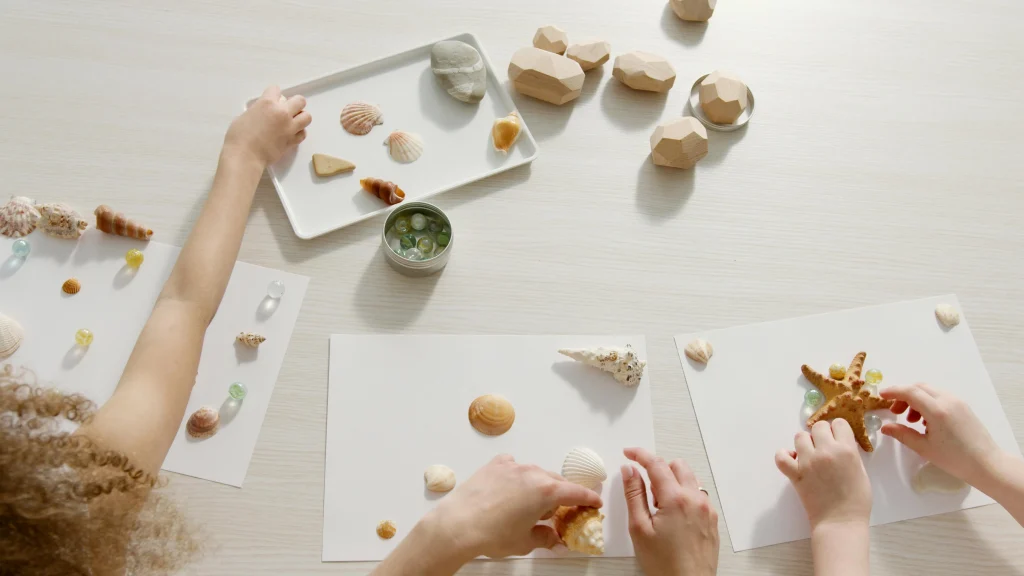
Sensory play involves activities that stimulate your child’s senses—touch, smell, taste, sight, and hearing. It also includes movement and balance (vestibular sense) and body awareness (proprioception).
Why it matters? Research shows that sensory-rich experiences help toddlers develop cognitive pathways, motor coordination, emotional regulation, and even language skills. According to the American Academy of Pediatrics, open-ended play (like sensory play) is key for early brain development.
👣 Benefits of Sensory Play for Toddlers
Before we jump into ideas, let’s understand the real benefits sensory play offers:
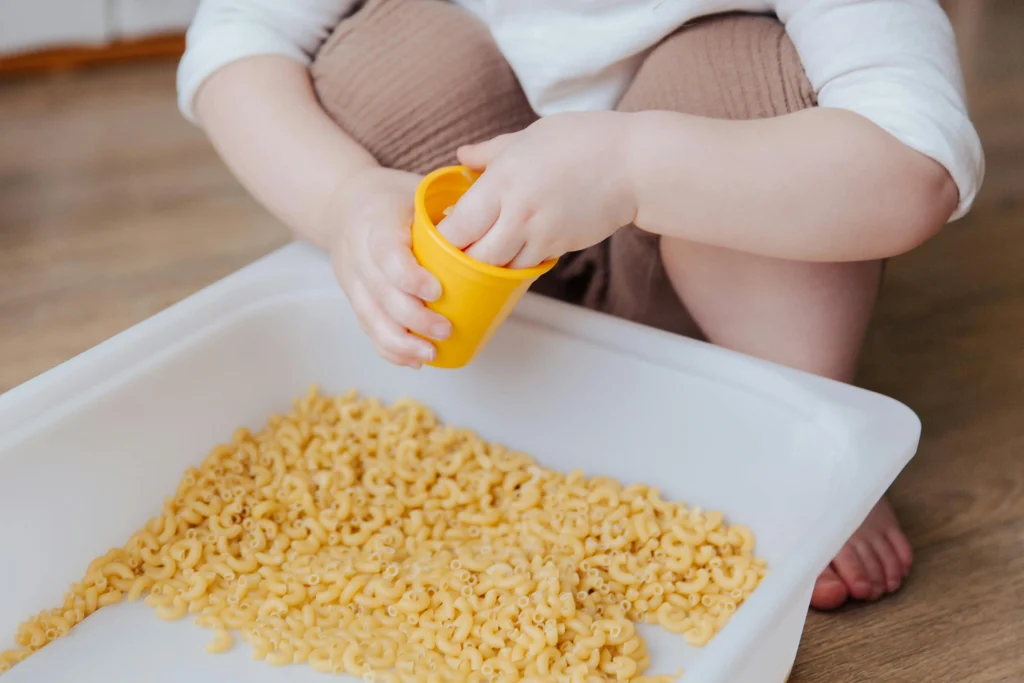
- Improves fine and gross motor skills
- Enhances language development
- Boosts problem-solving and creativity
- Helps with emotional self-regulation
- Builds social skills in group play
- Supports brain development and memory
Whether it’s squishing playdough or splashing water, sensory activities stimulate both sides of the brain—making learning a whole-body experience.
🧤 Simple Sensory Play Ideas You Can Try Today
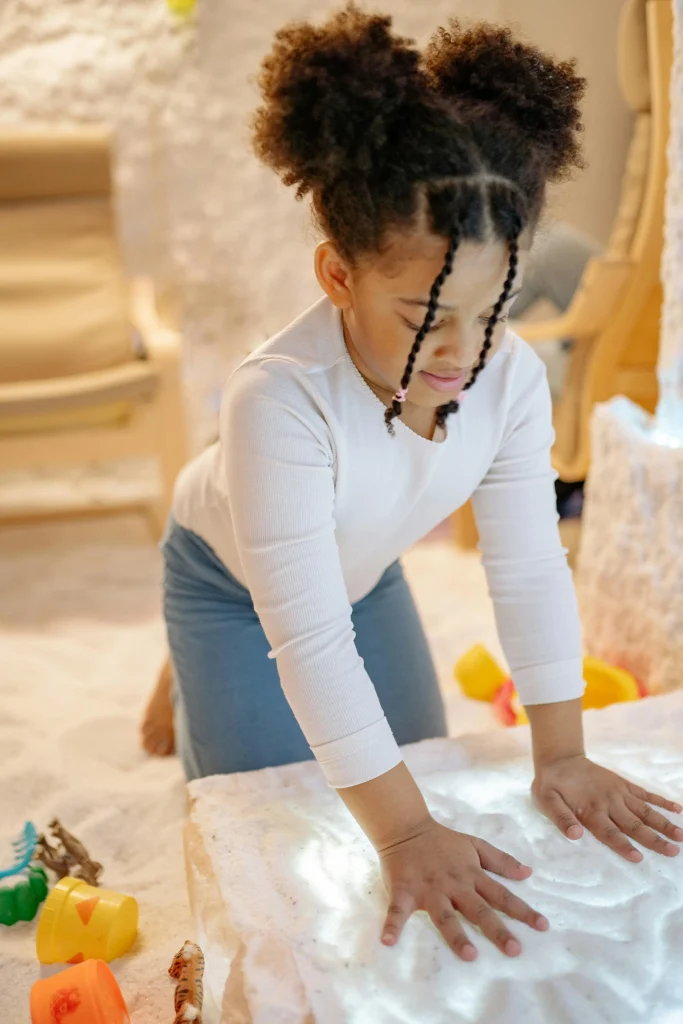
These activities use items you probably already have at home. No fancy toys or materials needed—just creativity and a willingness to get a little messy!
1. Rainbow Rice Bin
- What you need: Uncooked rice, food coloring, ziplock bags, a tub, and scooping tools.
- Why it’s great: Toddlers love scooping, pouring, and burying their hands in textured materials. The bright colors make it visually engaging and help teach color names.
- Tip: Add small toys like plastic animals or letters to turn it into a treasure hunt.
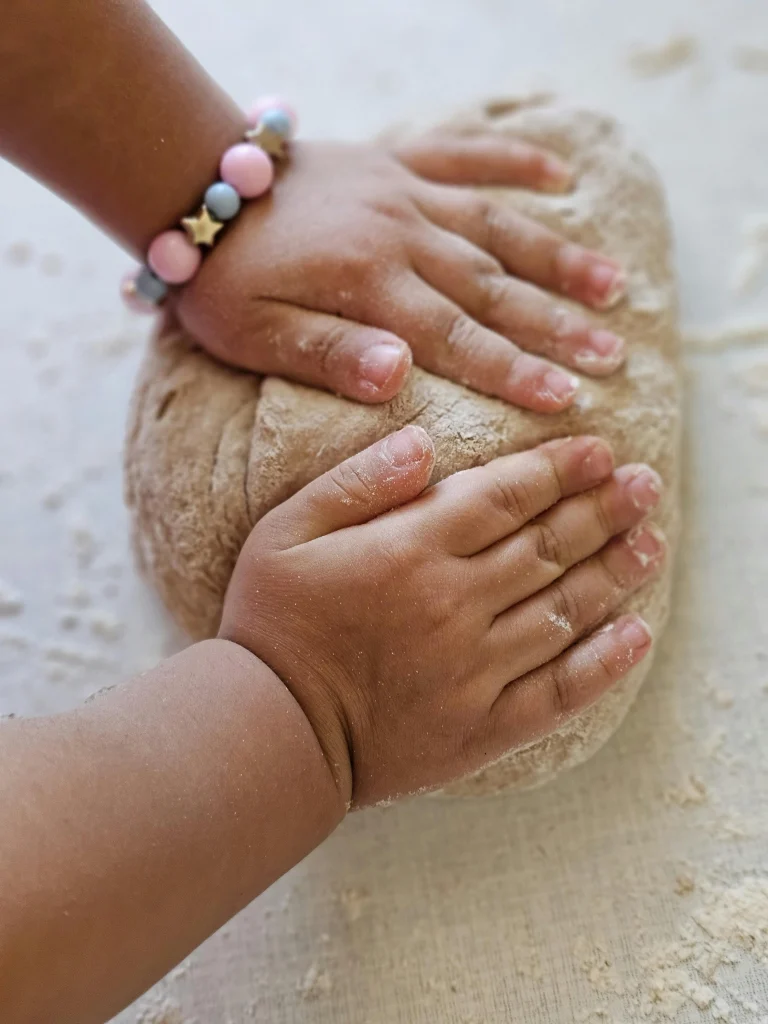
2. Homemade Playdough Fun
- What you need: Flour, salt, water, cream of tartar, oil, food coloring.
- Why it helps: Kneading strengthens little hands, preparing them for writing. You can also introduce scents like vanilla or lavender for an extra sensory layer.
- Tip: Store in airtight containers so it lasts for weeks!
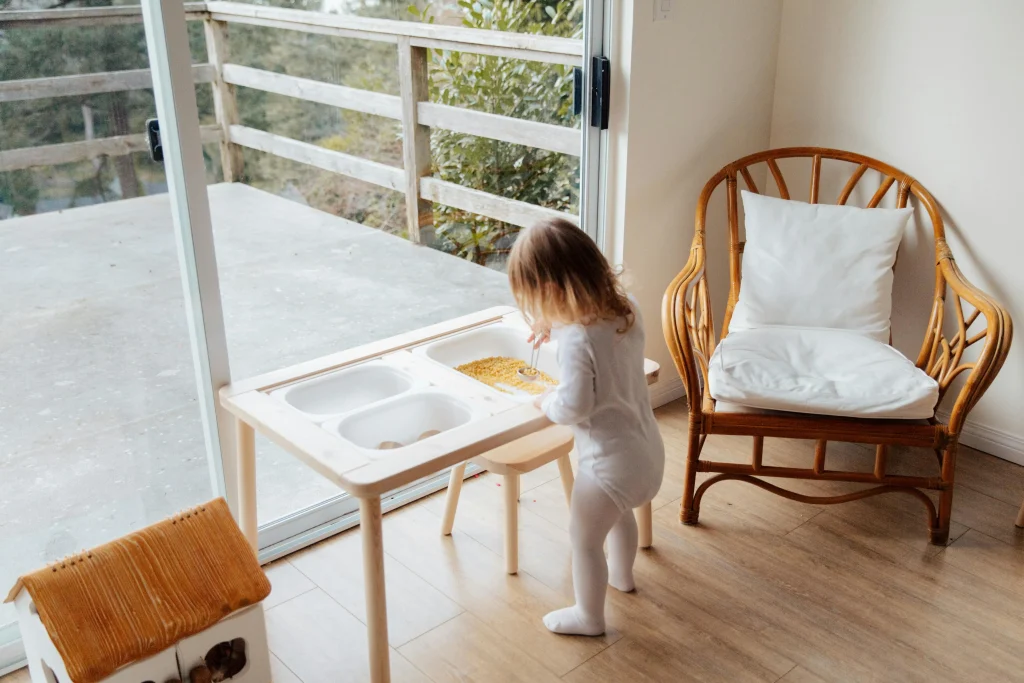
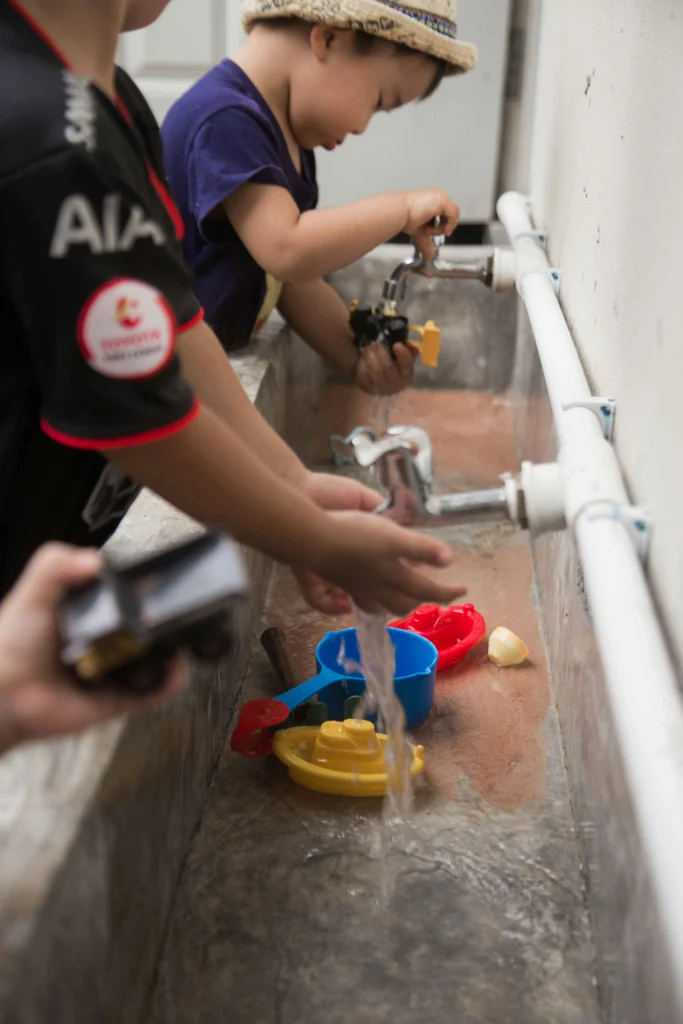
3. Water Table or Kitchen Sink Splash
- What you need: Water, plastic cups, sponges, straws, spoons.
- Why it’s helpful: Water play develops motor skills and introduces early science concepts (like floating, sinking, pouring).
- Tip: Add ice cubes or a few drops of food coloring for more excitement.
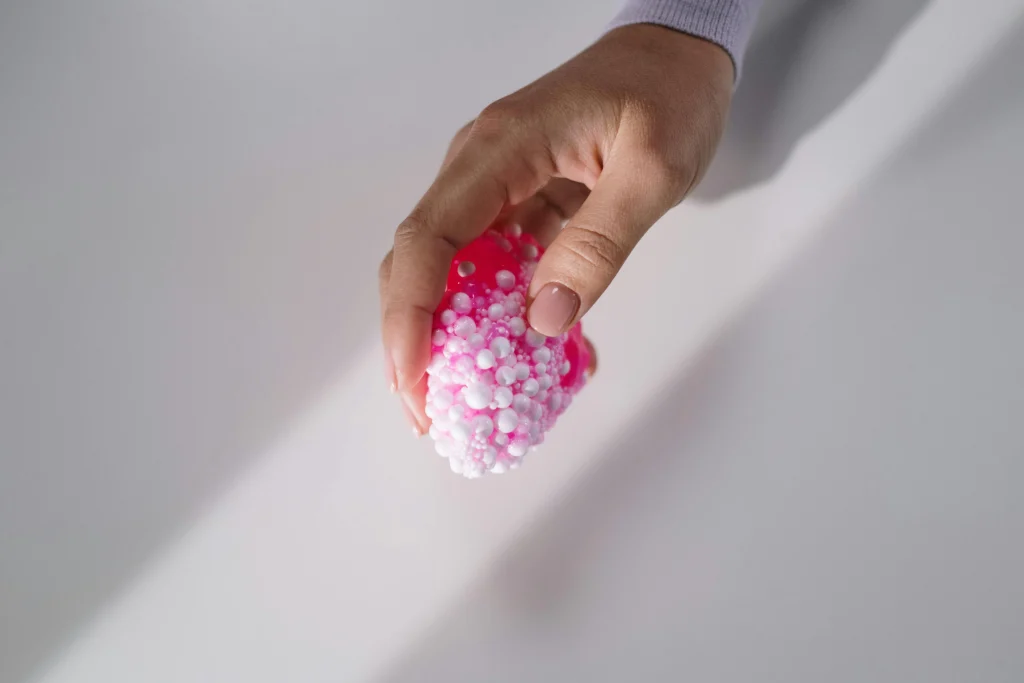
4. Oobleck (Non-Newtonian Slime)
- What you need: Cornstarch and water (2:1 ratio).
- Why it’s amazing: Feels solid when you press it, but liquid when you let it go—great for sensory curiosity and messy fun.
- Tip: Add a bit of color and make it “monster slime” for Halloween-themed play!
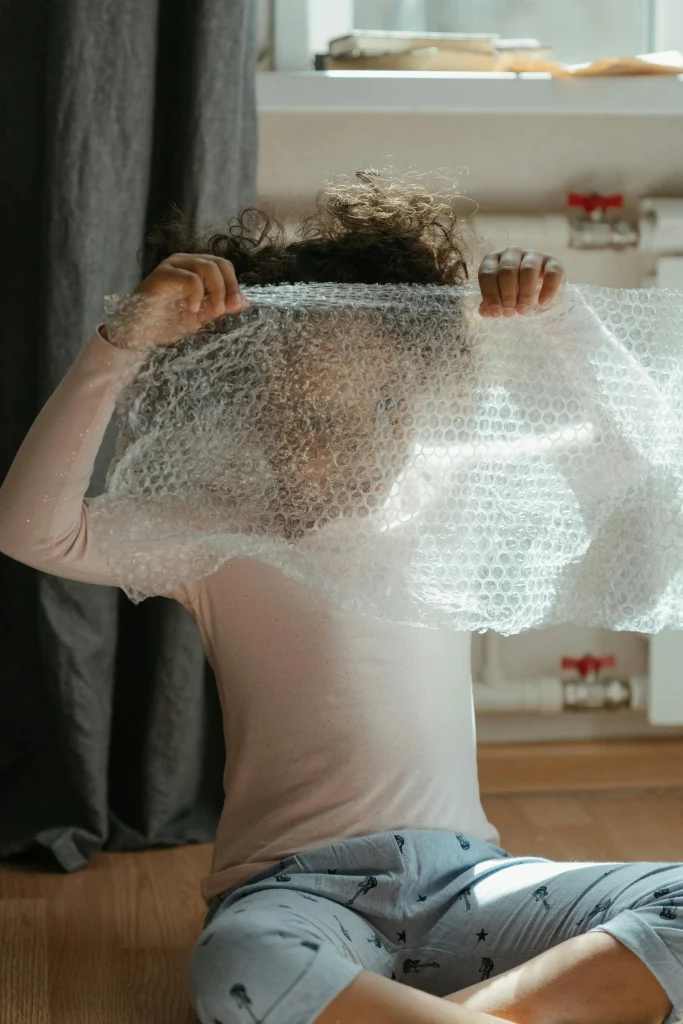
5. Bubble Wrap Stomp
- What you need: Sheets of bubble wrap taped to the floor.
- Why it’s fun: The popping sound and texture help toddlers explore cause-and-effect while burning energy.
- Tip: Put on some music and turn it into a popping dance party!
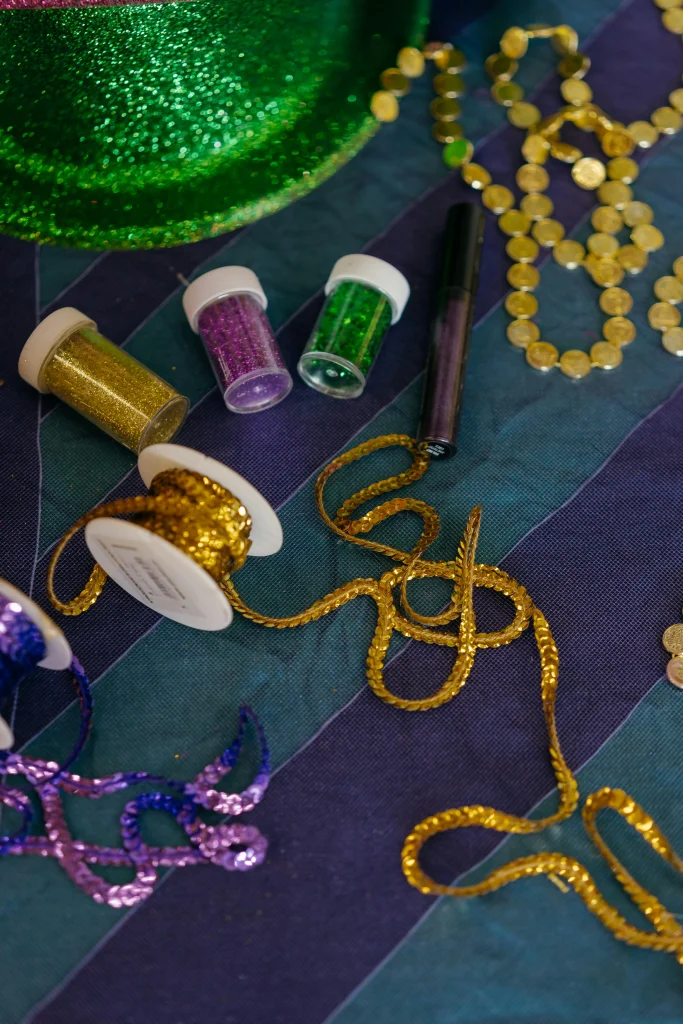
6. Sensory Bottles (Calm Down Jars)
- What you need: Empty plastic bottles, glitter, beads, water, and glue.
- Why it’s great: Watching glitter swirl helps calm overwhelmed toddlers. It’s also a great tool to teach mindfulness.
- Tip: Use food coloring to create themed bottles—like blue for ocean, green for forest.
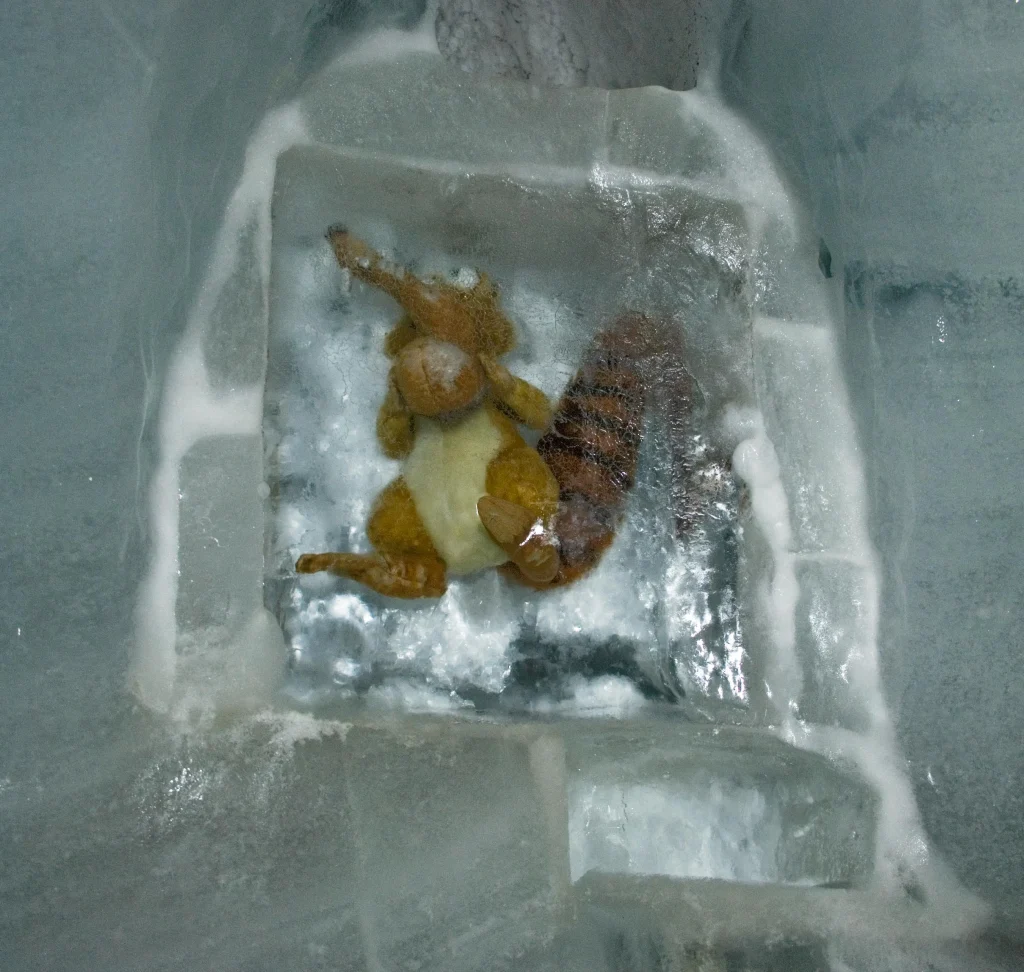
7. Frozen Toy Rescue
- What you need: Small toys frozen in an ice tray or bowl.
- Why it works: Promotes problem-solving as they figure out how to “rescue” the toys (using warm water, tools, etc.).
- Tip: Try themed rescues—dinosaur dig, superhero rescue, etc.
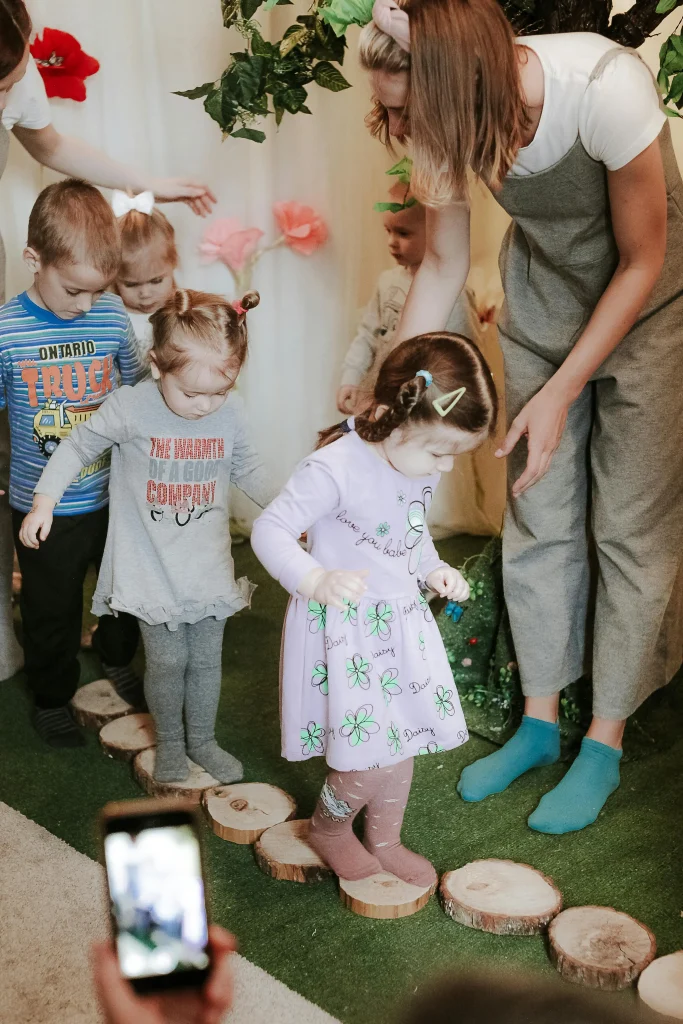
8. Texture Walk Path
- What you need: Trays or boxes with different materials (grass, sandpaper, fabric, cotton balls, rice).
- Why it’s useful: Encourages toddlers to explore through their feet, boosting body awareness and sensory confidence.
- Tip: Let them walk barefoot and describe what they feel.
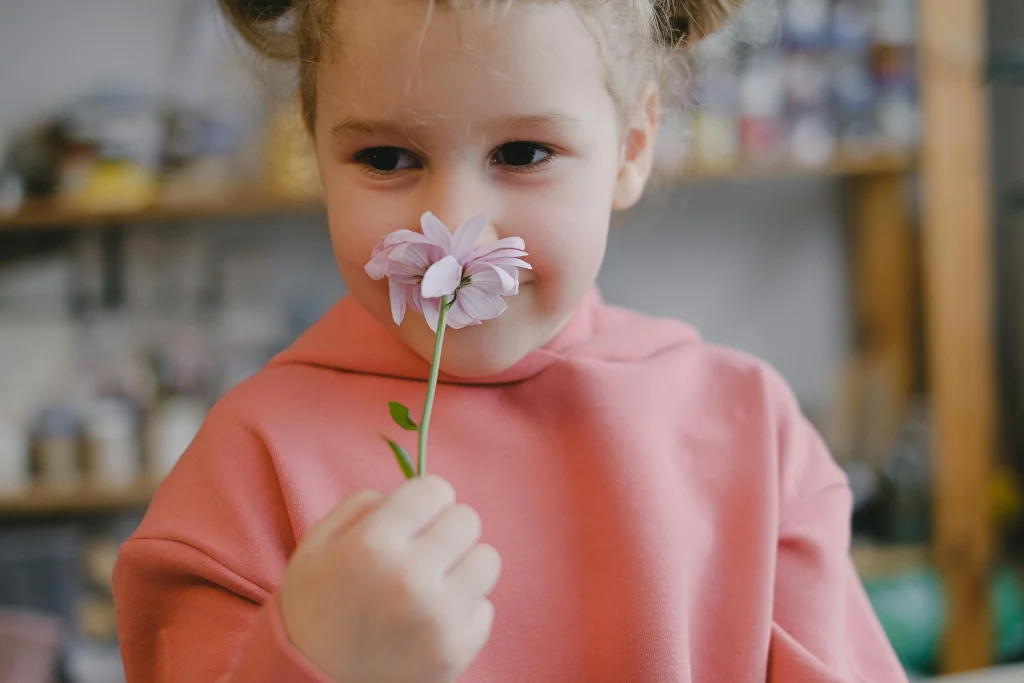
9. Scented Cotton Ball Match
- What you need: Cotton balls soaked in different safe scents (lemon, cinnamon, vanilla).
- Why it works: Helps sharpen the sense of smell and improves memory and recognition skills.
- Tip: Let your toddler guess the scents and match them to pictures.
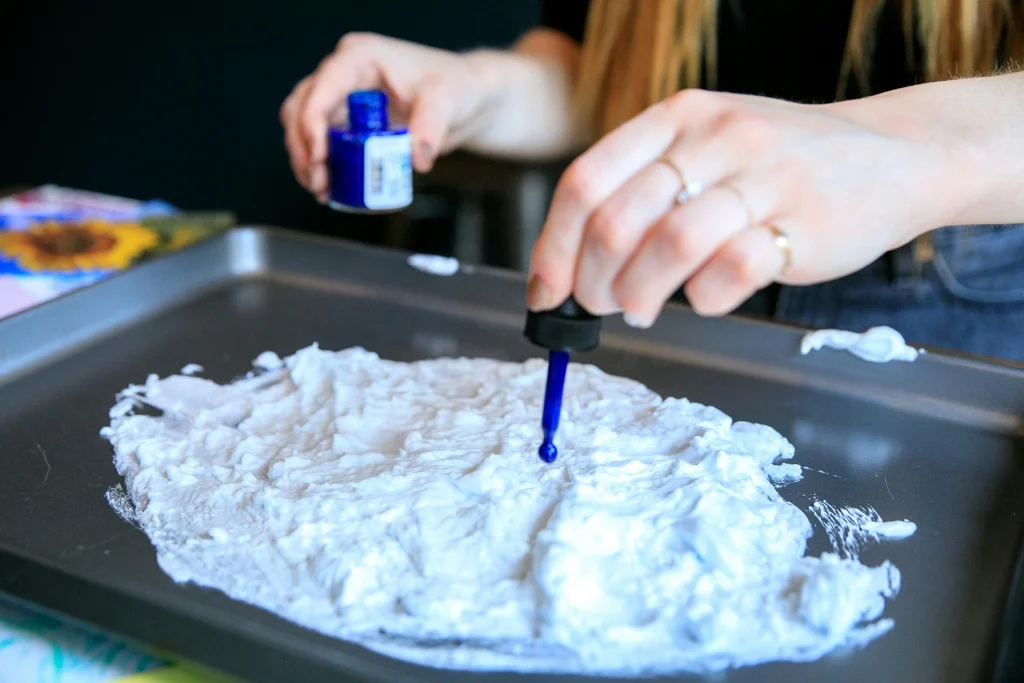
10. DIY Shaving Cream Art
- What you need: A tray, shaving cream, and food coloring.
- Why it’s beneficial: Helps improve tactile tolerance, and mixing colors introduces basic science and art.
- Tip: Draw shapes or letters with fingers to support early literacy.
🧠 Did You Know?
According to studies published in Frontiers in Psychology, sensory play in the first three years of life can significantly improve long-term executive functioning and self-control in children.
🛑 Safety Tips for Sensory Play
- Always supervise toddlers during sensory activities.
- Use edible-safe ingredients when your child is likely to mouth items.
- Lay down a mat or sheet for easier cleanup.
- Start small if your child is sensory-sensitive and observe reactions.

👩👧 My Personal Experience
As a mom, I’ve seen how sensory play turned around my toddler’s mood on tough days. When she’s cranky or overstimulated, 10 minutes at the rice bin or water play helps reset everything. These activities also gave me a little breather while knowing she was still learning.
And trust me, sensory play doesn’t need to be Pinterest-perfect. It just needs to be intentional.


