
🚽 How to Make Potty Training Easier for You and Your Toddler
Introduction: Is Potty Training Supposed to Be This Hard?
If you’re standing in a bathroom, holding a tiny pair of undies and wondering “Why won’t they just pee in the potty?”—you’re not alone. Potty training is one of the biggest milestones in toddlerhood, and honestly, it can feel more like a test of your patience than theirs.
In this article, I’ll share simple strategies that worked for me and other real moms to make potty training easier, faster, and less stressful — without tears (for either of you!).
🧠 1. Know When They’re Actually Ready
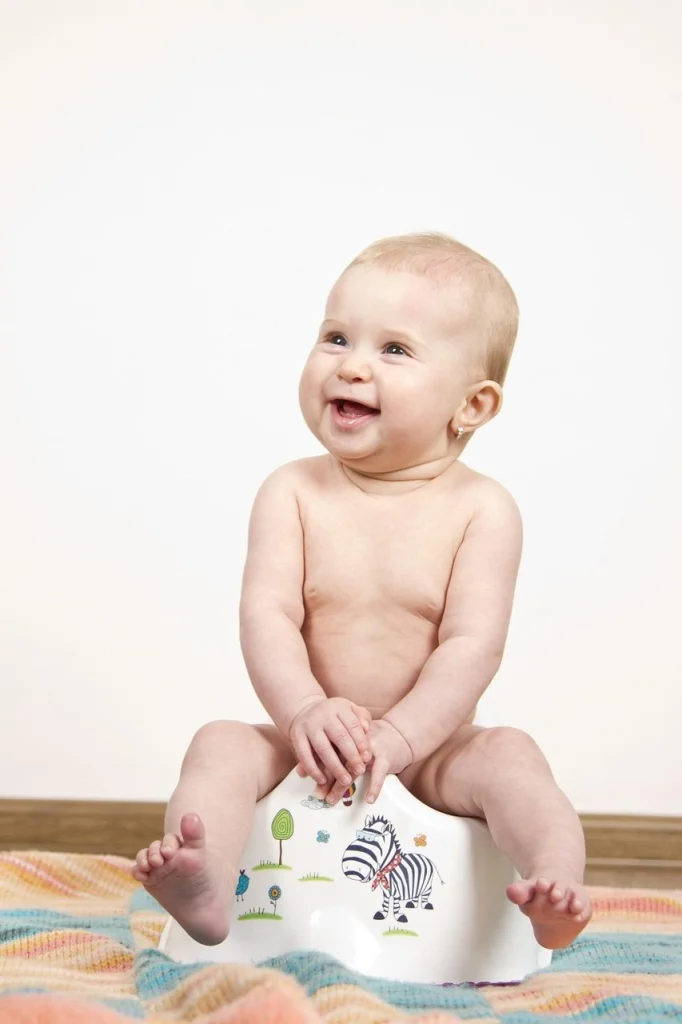
One of the biggest mistakes we make is starting too early. Most toddlers are physically ready between 18–30 months, but emotionally? That’s a whole other story.
Signs your toddler is ready:
- Can stay dry for 2+ hours
- Can follow simple instructions
- Pulls pants up/down
- Shows interest in the toilet or copying you
👩👧 From my experience: I tried with my daughter at 20 months and failed. Waited until 27 months, and she nailed it in 3 days.

⏰ 2. Create a Potty Training Schedule That Fits Your Life
Structure helps toddlers know what to expect. A simple routine like:
- Right after waking
- After meals/snacks
- Before bath or bedtime
⏱️ Tip: Use a fun timer or potty watch to remind both of you every 2 hours.
🚽 3. Pick the Right Potty (It Matters More Than You Think)
Some kids love a cute standalone potty with their favorite cartoon character. Others feel more “grown-up” with a seat insert on the big toilet.
🪑 Pro Tip: Let your toddler pick their potty. That ownership can make a big difference!
📖 4. Normalize the Potty with Books & Shows
There are amazing potty training books like:
- “Potty” by Leslie Patricelli
- “Everyone Poops” by Taro Gomi
🎥 Show idea: “Daniel Tiger’s Potty Time” is gold. It introduces potty use in a calm, non-scary way.
🎉 5. Celebrate, But Don’t Overhype
Every time your toddler tries — or succeeds — offer encouragement, not pressure.
💬 Say things like:
- “I’m proud of you for trying!”
- “Look at you! Big kids use the potty.”
Avoid punishments for accidents. It’s a learning curve, not a test.
🧼 6. Be Prepared for Messes (and Embrace Them!)
There will be pee on the floor. There might even be poop in odd places. That’s okay!
💡 Have this kit ready:
- Disinfectant wipes
- Spare clothes (3–5 pairs)
- Training pants or undies
- Waterproof mattress protector
🧽 True story: I once found underwear behind the couch with a surprise inside. It’s part of the process.
💧 7. Keep Fluids Coming (Yes, Really!)
Encourage your child to drink more — it gives more chances to practice. Try:
- Flavored water
- Juice popsicles
- Smoothies
The more they need to go, the more confident they’ll become.
🔁 8. Handle Potty Regressions Like a Pro
Even after “success,” some toddlers regress during stress, illness, or big changes.
🧸 Stay calm, go back to the basics, and avoid shame. It’s usually temporary!
📆 9. Use a Sticker Chart or Potty Journal
Visual rewards help toddlers see their progress. A simple chart with:
- Stickers
- Smiley faces
- Or even stamps
🖍️ DIY Tip: Let them color a star every time they try the potty — it becomes a game!
🛑 10. Know When to Take a Break
If your toddler resists completely, cries, or hides, they’re likely not ready.
🌱 It’s okay to pause. Wait a few weeks and try again gently.
👩👧 My reminder to myself: “You can’t force a flower to bloom. You can only water it daily.”
📊 Fun Fact: Potty Training by the Numbers
- Average potty training age: 27 months
- Average time to complete: 3–6 months
- 98% of toddlers are trained by age 3.5
(Source: American Academy of Pediatrics)
🌈 Final Words: You’ve Got This, Mama
Potty training is messy, emotional, and oddly hilarious. But it’s also an incredible chance to bond with your toddler and build confidence — for both of you.
Some days will be smooth, others full of surprises. Just remember: every accident is a step toward independence.
Trust your instincts, stay flexible, and keep the bathroom stocked with patience and humor.