
End Your Toddler’s Temper Tantrum Quickly with These Simple Steps
Temper tantrums are one of the most overwhelming parts of parenting a toddler. One second, everything’s fine—and the next, your sweet little one is on the floor screaming, crying, or throwing toys because their banana broke in half. It’s stressful, loud, and often happens at the worst times (like the checkout line).
But here’s some comfort: tantrums are completely normal. They’re a part of toddler brain development. Young children don’t yet know how to process big emotions, and tantrums are how those emotions come out. Still, that doesn’t mean you’re powerless.
The good news? You can absolutely manage—and even reduce—temper tantrums with a few proven strategies. These tips are gentle, respectful, and work with your child’s development, not against it.

If you’re tired of feeling helpless during meltdowns, this guide will give you a simple, confident plan to bring calm quickly and consistently.
Why Do Toddlers Have Temper Tantrums?
Before we dive into the solutions, it helps to understand the root cause.
Tantrums aren’t about “bad behavior.” They’re the result of:
- Underdeveloped communication skills
- Frustration from not being understood
- Big feelings with no coping tools
- Overstimulation or tiredness
- A need for connection or control
Think of tantrums as emotional overload. Your toddler isn’t trying to give you a hard time—they’re having a hard time.

1. Stay Calm Yourself First
This is the most important step—and the hardest. When your toddler screams, it’s easy to match their energy. But your calm is their calm. They rely on your steady presence to feel safe.
Take a breath. Keep your voice low and body language soft. You don’t have to “fix it” immediately. Just be the anchor in the storm.
Pro tip: Say in your head, “This is not an emergency.” It helps reset your nervous system before responding.

2. Get Low and Make Gentle Eye Contact
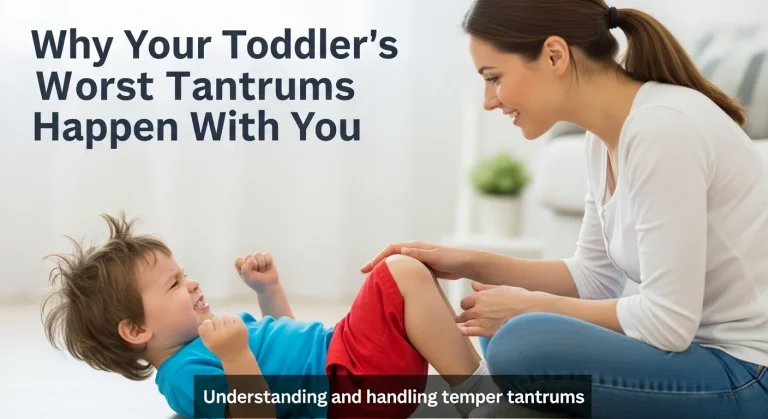
Crouch to your toddler’s level, lower your voice, and make eye contact without forcing it. This shows your child you’re there and helps you connect without adding pressure.
Use simple phrases like:
- “You’re really upset.”
- “I’m here with you.”
- “It’s okay to be mad.”
Naming the emotion helps them feel seen, and it builds emotional intelligence over time.

3. Don’t Try to Reason Mid-Tantrum
It’s tempting to explain or ask “Why are you crying?” But during a tantrum, toddlers aren’t in the thinking part of their brain. They’re in survival mode. Reasoning or lecturing usually makes it worse.
Save the conversation for after the storm has passed.

4. Use Fewer Words and a Soothing Tone
When toddlers are dysregulated, less is more. Long sentences can feel overwhelming. Instead, use short, calming phrases like:
- “You’re safe.”
- “I know it’s hard.”
- “I’ll stay with you.”
Even if your child can’t respond yet, your presence and voice matter.

5. Offer Physical Comfort—But Don’t Force It
Some toddlers want to be held. Others need space. Offer a hug or hold out your arms and let them decide. Respecting their cues builds trust and teaches body autonomy.
If they resist touch, stay nearby and say, “I’m right here when you’re ready.”

6. Remove Triggers If Safe to Do So
If your child is having a meltdown in a crowded space or near a danger (like stairs), gently move them to a safer, quieter place. Don’t treat this as a punishment—just a way to protect their safety and give them space to regulate.
You can say: “Let’s go somewhere quieter. I’ll stay with you.”

7. Use Sensory Tools or Distractions (Selectively)
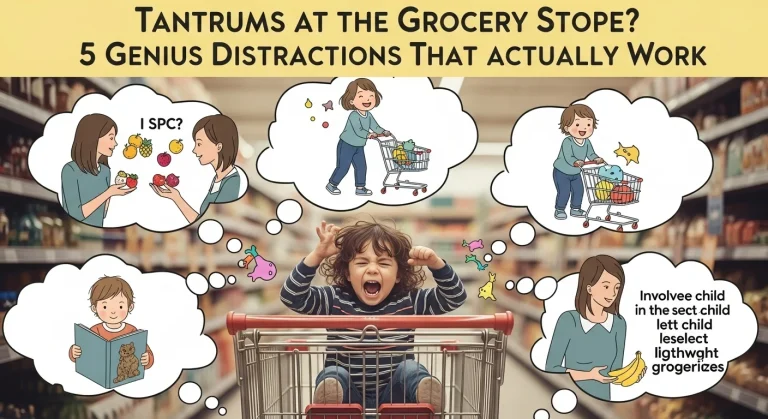
Sometimes a calming item like a favorite stuffed toy, cold drink, or sensory fidget can help redirect a tantrum. Other times, just changing the scenery (like stepping outside) works wonders.
Avoid using food or screens as the default unless it’s intentional—relying on distractions too often can backfire long-term.

8. Keep Boundaries While Offering Empathy
Let’s say your toddler is having a meltdown because they want candy before dinner. You can stay firm and kind:
- “I know you’re upset. We’ll have dinner first, then a treat.”
- “It’s okay to be mad, but we’re not having candy right now.”
Hold the boundary, but hold your child too.

9. Don’t Shame, Scold, or Threaten
Saying things like “You’re being bad” or “Stop it or I’ll leave you here” can hurt your child’s self-esteem and increase fear.
Instead, model the calm you want them to learn. Your child is learning emotional regulation by watching you regulate yours.

10. Wait for the Calm, Then Reconnect
Once the tantrum has passed and your toddler is calm, offer a hug, gentle words, and reassurance. This helps them feel safe and loved—no matter how messy their meltdown was.
You can say:
- “That was hard, huh? I’m so proud of you for calming down.”
- “I’m here for you. Always.”
Reconnection repairs the moment and helps prevent future power struggles.

11. Talk About It Later in Simple Words
Later in the day (when both of you are calm), talk briefly about what happened.
- “You were so mad when I said no to the candy.”
- “Next time you feel mad, we can stomp our feet or take a breath.”
These conversations help toddlers understand their emotions and build new tools over time.

12. Prevent Future Tantrums with Routines
Toddlers thrive on structure. Having a predictable daily routine helps them feel safe and reduces meltdowns caused by transitions or uncertainty. Keep nap and mealtimes consistent. Offer 5-minute warnings before switching activities.
The more they know what to expect, the fewer surprises = fewer tantrums.

13. Give Small Choices to Reduce Power Struggles
Tantrums often happen when toddlers feel powerless. Offer age-appropriate choices to give them control in small ways:
- “Do you want the red cup or blue cup?”
- “Shoes first or jacket first?”
When toddlers feel like they have a say, they’re less likely to push back.

14. Use Praise and Positive Reinforcement
Catch your child staying calm, using words, or asking for help — and point it out:
- “I love how you told me you were mad instead of yelling.”
- “You took a deep breath! That was so smart.”
This encourages more of the behaviour you want to see.
15. Remember, You’re Doing a Great Job
No parent handles tantrums perfectly every time. You’re learning alongside your child. Some days will feel easier than others. But every time you choose connection over correction, empathy over punishment—you’re building a foundation of trust and emotional health that will serve your child forever.

💬 Final Thoughts
Tantrums can be loud, messy, and frustrating. But they’re also opportunities for growth—for both you and your toddler. When you respond with calm, empathy, and consistency, you’re not just ending a meltdown… you’re helping your child feel safe, understood, and capable of handling big emotions.
And that? That’s powerful parenting.