

20 Calming Sensory Activities and Strategies for Your Overstimulated Toddler
Toddler meltdowns can feel like a storm with no warning. One moment they’re giggling — the next, they’re crying, throwing toys, or shutting down. More often than not, it’s sensory overload that’s to blame. From loud sounds and bright lights to too many choices or people, it can all be too much for your little one.
But here’s the good news: there are simple, calming sensory activities that can help toddlers reset their overwhelmed systems — and you don’t need expensive tools or perfect routines. These real-mom-tested strategies are easy, gentle, and help your child feel safe and regulated again.

💡 What Is Sensory Overload in Toddlers?
Sensory overload happens when your toddler’s brain is trying to process too much stimulation at once — like noise, movement, or visual input — and it becomes overwhelming. It can lead to meltdowns, avoidance, or hyperactivity.

🧘 Why Calming Sensory Strategies Work
Sensory calming techniques work by helping your toddler’s nervous system feel grounded, safe, and in control again. These activities give their brains a break and reset emotional balance.
🌿 20 Calming Sensory Activities & Strategies to Soothe Toddlers
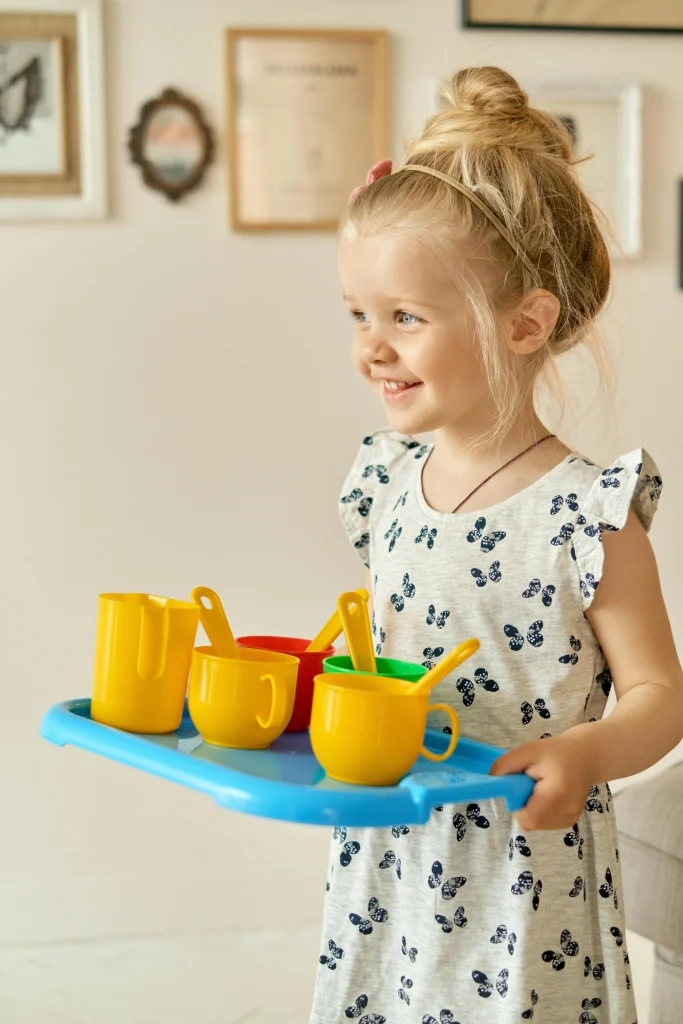
1. Water Play with Cups and Spoons
Let your toddler scoop, pour, and splash water using cups, spoons, or ladles. The rhythmic sound and sensation of water can quickly calm their nerves.
2. Weighted Blanket or Lap Pad
A light weighted blanket or pad gives a comforting “hug” feeling that helps regulate a toddler’s body during moments of stress.

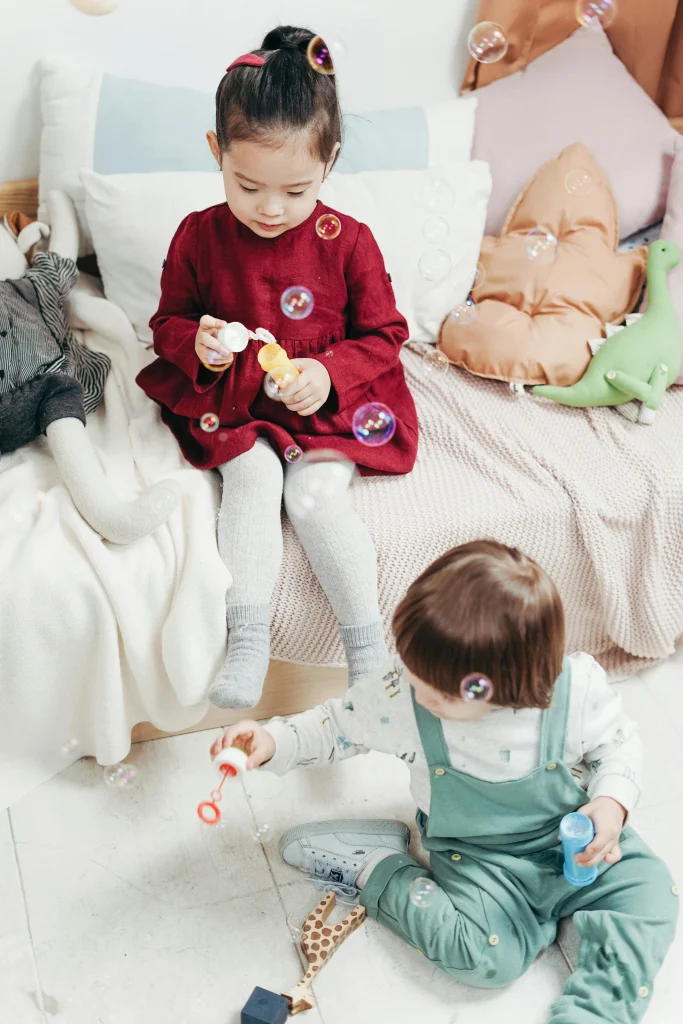
3. Bubble Breathing
Teach them to blow bubbles slowly — it forces them to take deep breaths, which helps lower cortisol and calm anxiety.
4. Swing Time or Rocking Chair
Gentle back-and-forth movement, like swinging or rocking, helps reset the vestibular system and mimics the soothing rhythm of the womb.

5. Sensory Bin with Rice or Beans
Let your toddler dig, scoop, and hide small toys in a bin filled with dry rice or beans. The repetitive texture work helps bring focus and calm.

6. Listening to Rain or Nature Sounds
Put on soft rain sounds, ocean waves, or birds chirping. Natural white noise calms the auditory system and soothes overstimulated minds.

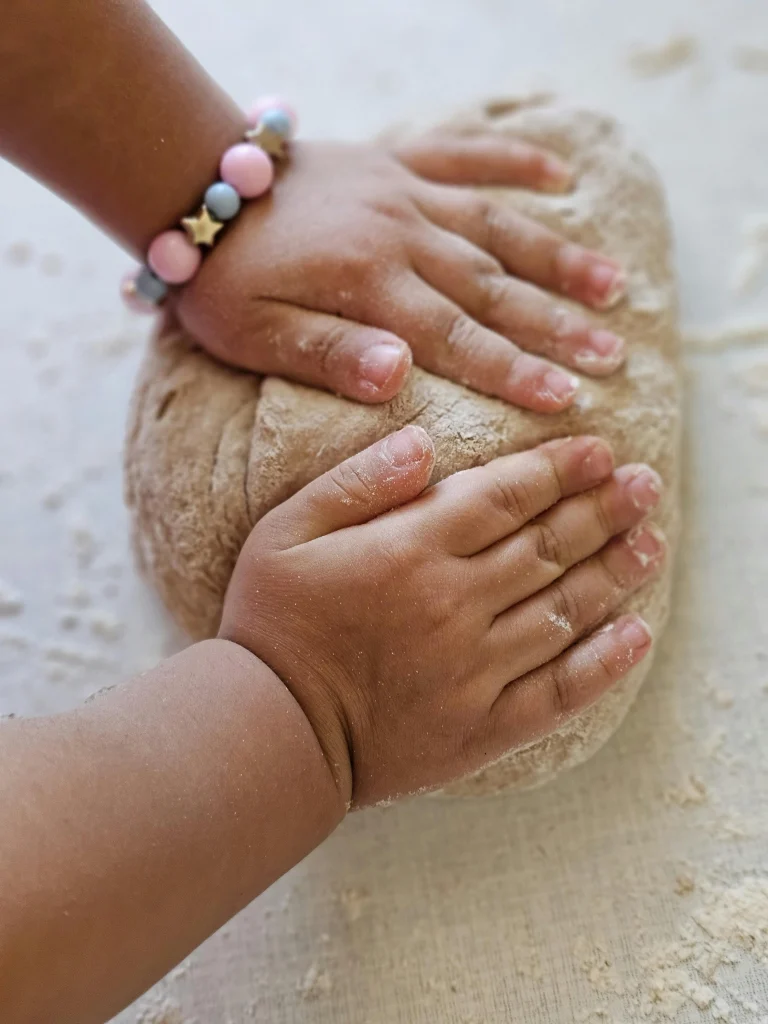
7. Tactile Play with Playdough or Putty
Squeezing and rolling playdough engages the muscles and gives toddlers a sense of control and grounding.
8. Deep Pressure Hugs or Body Squeezes
Give your toddler a firm hug, or use a soft compression vest if needed. Deep pressure calms the nervous system and promotes emotional safety.

9. Wall Pushes or Animal Walks
Let them do a few wall pushes, bear crawls, or crab walks. Heavy work activates the proprioceptive system and helps the body “reset.”

10. Dim the Lights and Lower Noise
A quiet, dark space with low stimulation can be incredibly calming. Remove noisy toys and let them rest in a cozy corner.

11. Fidget Toys or Calm Jars
Offer small fidgets, a squishy ball, or a homemade calm jar with glitter and water. It gives their hands something to focus on, easing sensory stress.

12. A Warm Bath with Lavender
A gentle, warm bath is soothing for the body and mind. Add a drop of lavender oil (baby-safe) to calm nerves and promote rest.

13. Gentle Massage or Lotion Time
Rubbing lotion on their arms, legs, or back can calm skin sensitivity and strengthen your physical connection.

14. Read a Predictable, Rhyming Book
Books with soothing rhythm (like “Goodnight Moon”) create familiarity and predictability — key for calming an overwhelmed toddler.

15. Chewy or Crunchy Snacks
Oral input is grounding. Try giving crunchy snacks like apple slices, cucumber sticks, or a silicone chewy toy (for oral sensory needs).

16. Nature Walk or Grounding Outside
Barefoot in the grass, walking in the backyard, or touching leaves helps reset their sensory input and regulates emotions quickly.

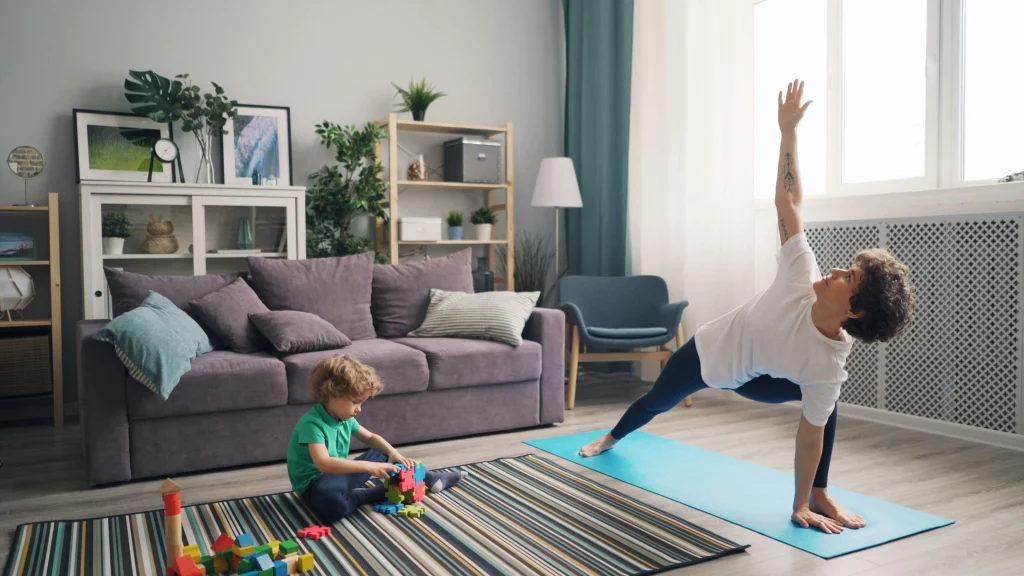
17. Stretching or Toddler Yoga
Simple movements like reaching, bending, or downward dog help release tension and give toddlers physical tools to manage emotions.
18. Soft Music and Slow Dancing
Play calm lullabies or gentle classical music and sway slowly. The combination of rhythm and connection helps toddlers feel held and safe.
19. Visual Timer or Picture Routine
Use a sand timer or a picture card sequence to help toddlers know what’s coming next. This reduces anxiety from the unknown.
20. Name the Feeling and Offer a Choice
Sometimes, calm starts with emotional validation. Say, “It looks like your body feels too busy. Would you like a hug or your quiet toys?”
🧠 How to Know What Works for Your Toddler
Every toddler responds to sensory input differently. Some are soothed by deep pressure, while others need to move or hear music. The key is to observe what helps your child feel calmer, safer, and more regulated — and use that regularly.
You might notice your toddler gets more overwhelmed in loud places or crowded spaces — that’s a clue that noise may be a trigger. Or maybe they avoid textures like grass or sand — you can gently introduce those in small, safe ways through sensory bins or guided play.
🪴 Creating a Calm-Down Space at Home
Having a dedicated “calm corner” or cozy sensory space helps your toddler learn how to manage big feelings. Add soft pillows, a dim lamp, sensory toys, a book basket, and a blanket. Teach them that it’s a safe place to go when they feel “too much.”
This not only gives them tools for calming down, but also helps them begin the lifelong habit of self-regulation — a skill that even adults struggle with.
💬 What Real Moms Say Works
“My toddler calms down fastest in the bathtub — we turn off the lights, play soft music, and just breathe.”
“Sensory bins are our lifesaver. I keep one ready to go when I see him start to spiral.”
“Sometimes just hugging her tight and saying, ‘You’re safe’ is all she needs.”
✨ Final Thoughts: Gentle Tools for Big Emotions
Helping an overstimulated toddler isn’t about controlling their behavior — it’s about understanding their sensory needs and guiding them back to calm with love and patience. These calming sensory strategies give you practical, gentle ways to do just that.
Whether it’s water play, a tight hug, or simply a quiet space, remember that what works today might shift tomorrow — and that’s okay. The goal isn’t perfection. It’s connection.
You’ve got this, mama. One calming moment at a time.


