

Back-to-School Anxiety? Here’s How to Help Your Child Adjust
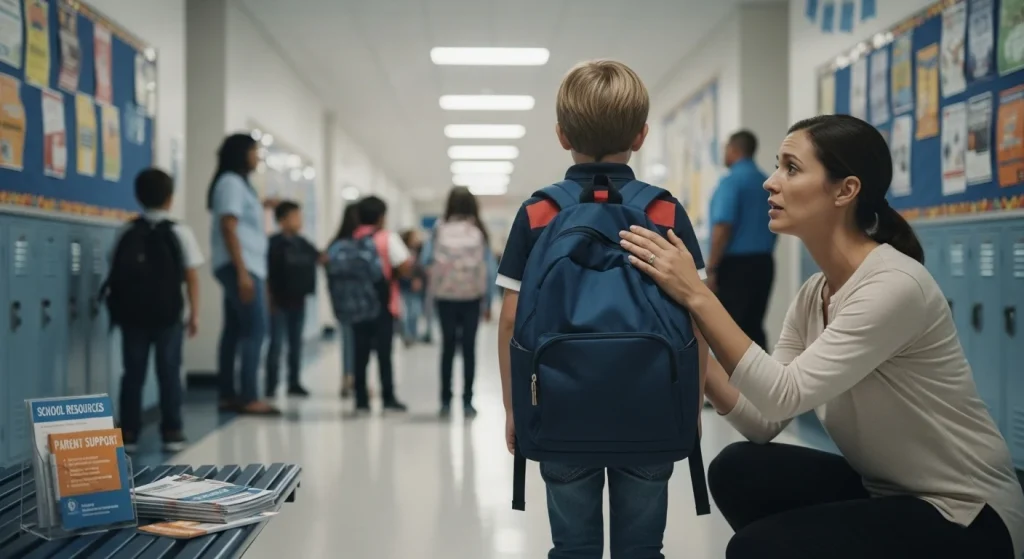
Starting a new school year is a mix of excitement, fresh beginnings, and… for some children, a heavy dose of anxiety. If your child has ever clung to you at the school gate, complained of “mystery” tummy aches, or worried about making friends, you’re not alone. Back-to-school anxiety is real — and it can affect children of all ages.
The good news? With a few thoughtful strategies and plenty of empathy, you can help your child transition smoothly from summer freedom to school structure.

Understanding Back-to-School Anxiety
Before we jump into solutions, it’s important to understand what’s really going on. Back-to-school anxiety often shows up as:
- Restlessness or irritability
- Difficulty sleeping the night before school
- Physical complaints like headaches or stomachaches
- Worrying excessively about teachers, homework, or friends
For some kids, this is just part of the adjustment period. For others, it may be a sign of deeper worries about fitting in, performing well academically, or even being away from home.
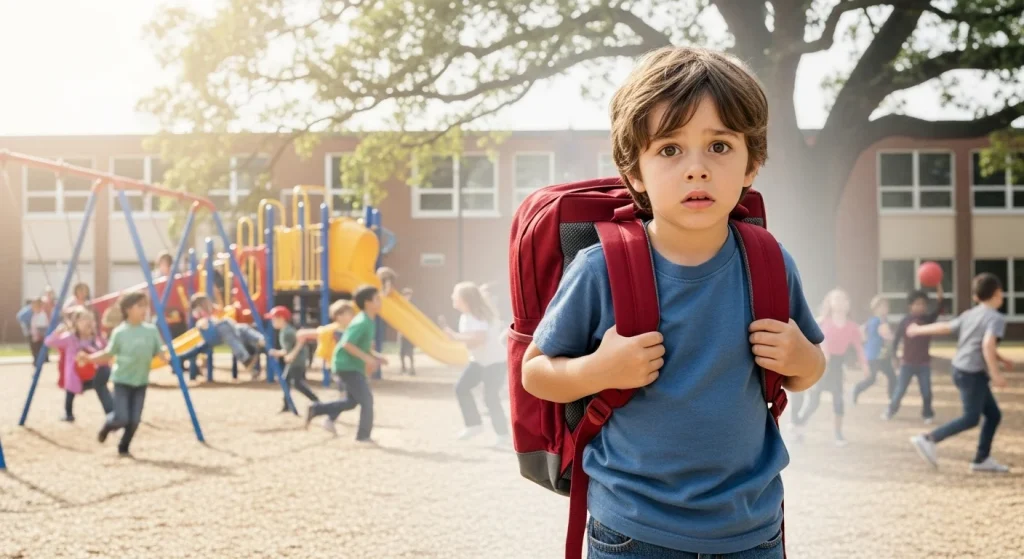
Why Kids Experience Back-to-School Anxiety
Children thrive on routine and predictability. Summer break often shifts bedtimes, mealtimes, and daily activities, so the return to structured schedules can feel jarring. Add in new teachers, classmates, and expectations, and it’s easy to see why nerves kick in.
Some common triggers include:
- Fear of the unknown – New classrooms, teachers, and rules can be overwhelming.
- Social worries – Will I have friends? Will I be accepted?
- Academic pressure – Concerns about tests, homework, or keeping up.
- Separation anxiety – Especially for younger kids starting school or switching grades.
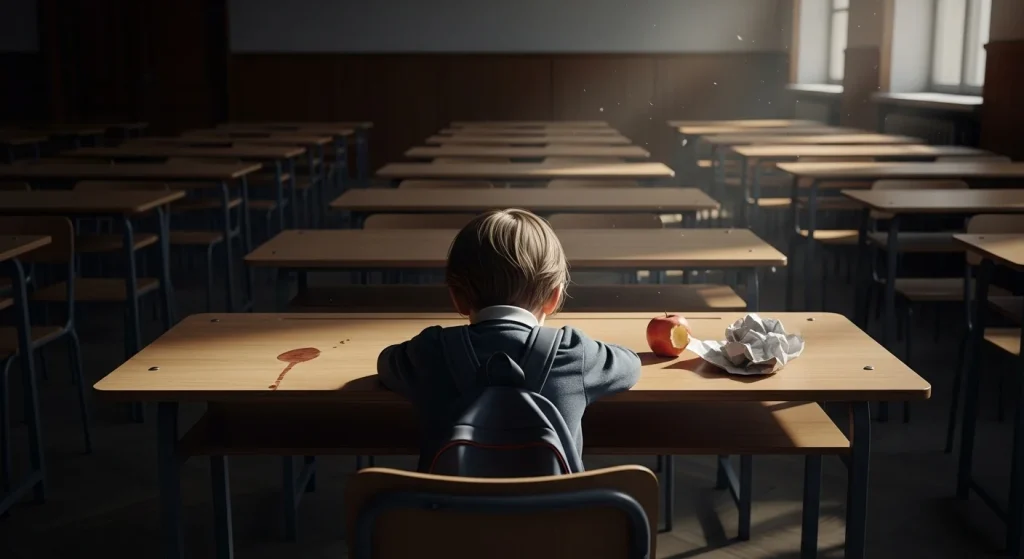
12 Ways to Help Your Child Adjust to Back-to-School Anxiety
These tips combine emotional support with practical steps so your child feels confident and secure.
1. Talk About It Early
Bring up the topic at least two weeks before school starts. Instead of asking, “Are you nervous?”, try:
- “What are you most excited about?”
- “What’s one thing you hope to do this school year?”
Opening the conversation in a positive way helps them share concerns naturally.

2. Share Your Own Experiences
Kids feel reassured when they know they’re not alone. Share a personal story about a time you felt nervous starting something new — and how you overcame it.

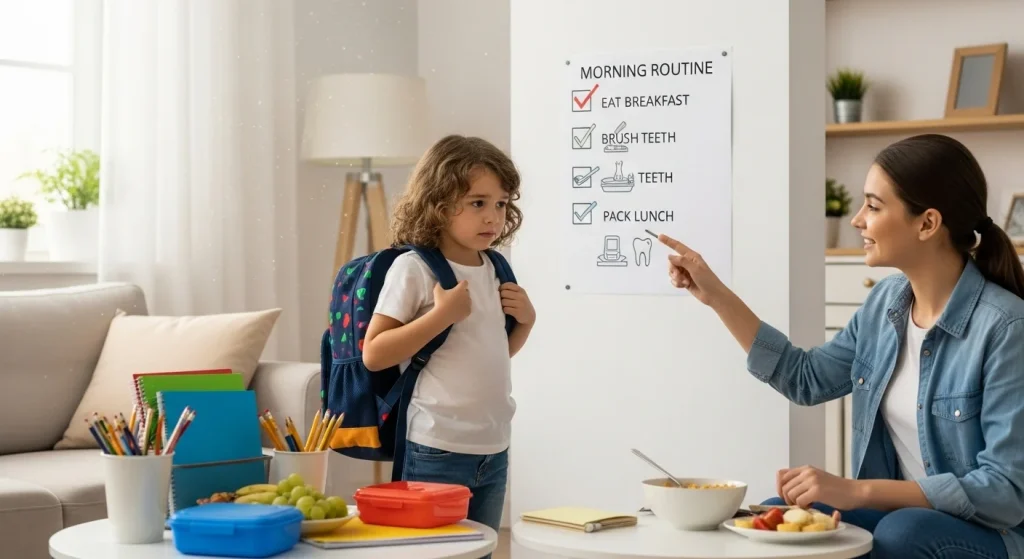
3. Practice the School Routine
A week before school, start waking up, eating breakfast, and getting ready at “school time.” This helps reset their internal clock and reduces first-day stress.
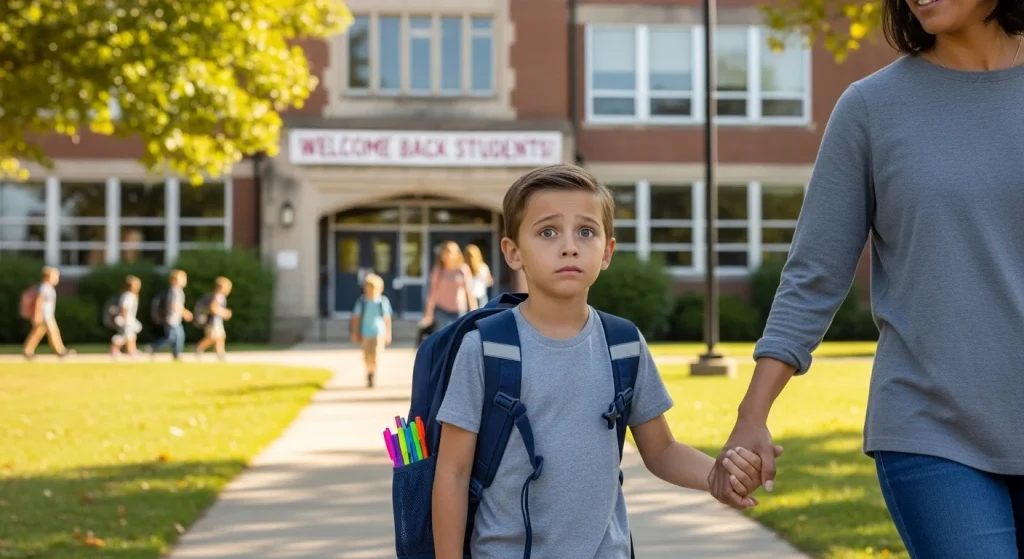
4. Visit the School Together
If possible, walk the school grounds, show them where the classroom, bathrooms, and cafeteria are, and meet the teacher. Familiarity reduces fear.
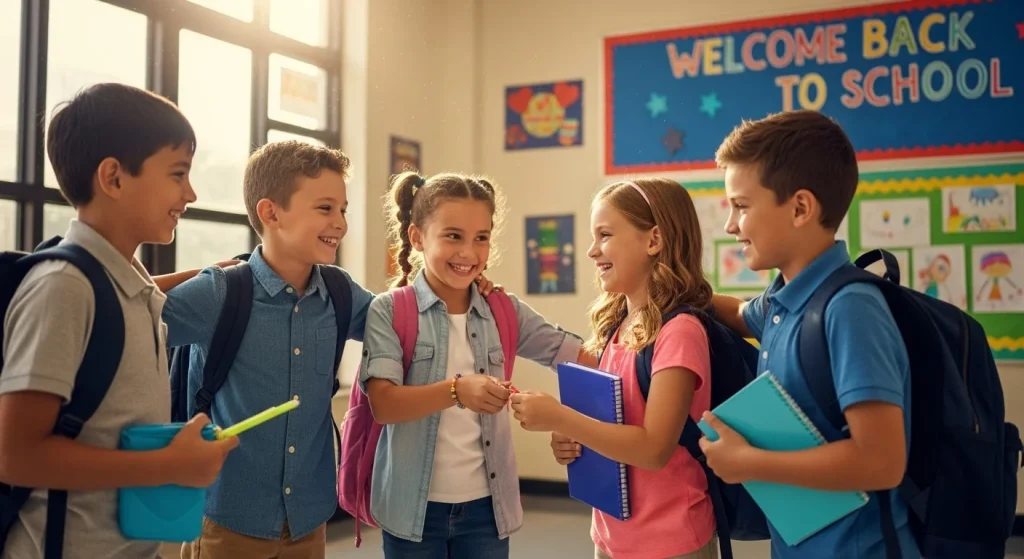
5. Connect With Classmates Before Day One
Arrange a playdate or park meet-up with classmates. Seeing a friendly face on the first day makes a big difference.
6. Create a Comfort Item
For younger kids, a small note in their lunchbox or a pocket charm can be a big source of reassurance during the day.

7. Encourage Healthy Sleep Habits
A tired brain is more prone to stress. Establish a calming bedtime routine — dim lights, no screens an hour before bed, and maybe a favorite bedtime story.

8. Focus on the Positive
Each evening, ask them to share three good things about their day. This builds a habit of looking for the positive.
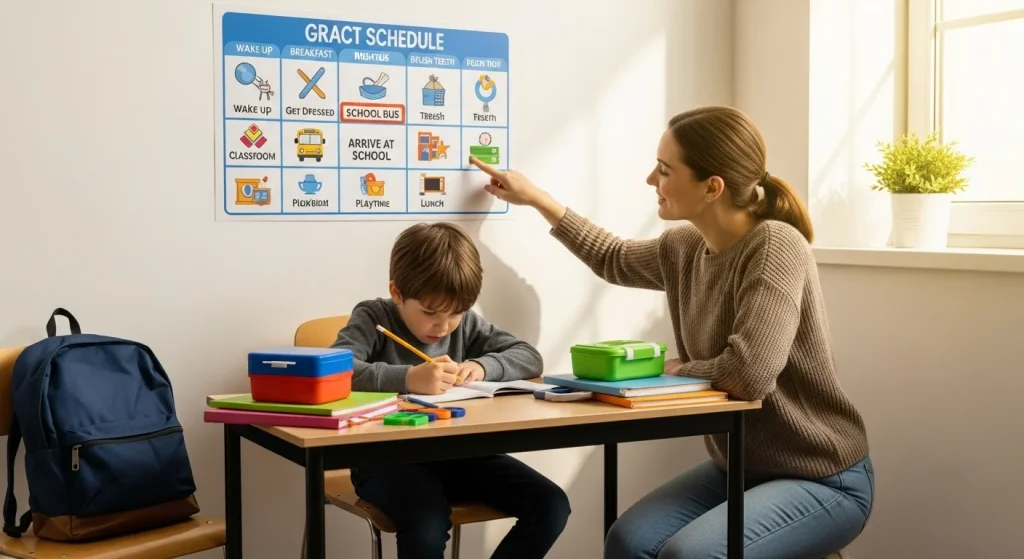
9. Use Visual Schedules
For younger children, a visual “morning to school” chart can make transitions smoother and reduce morning chaos.
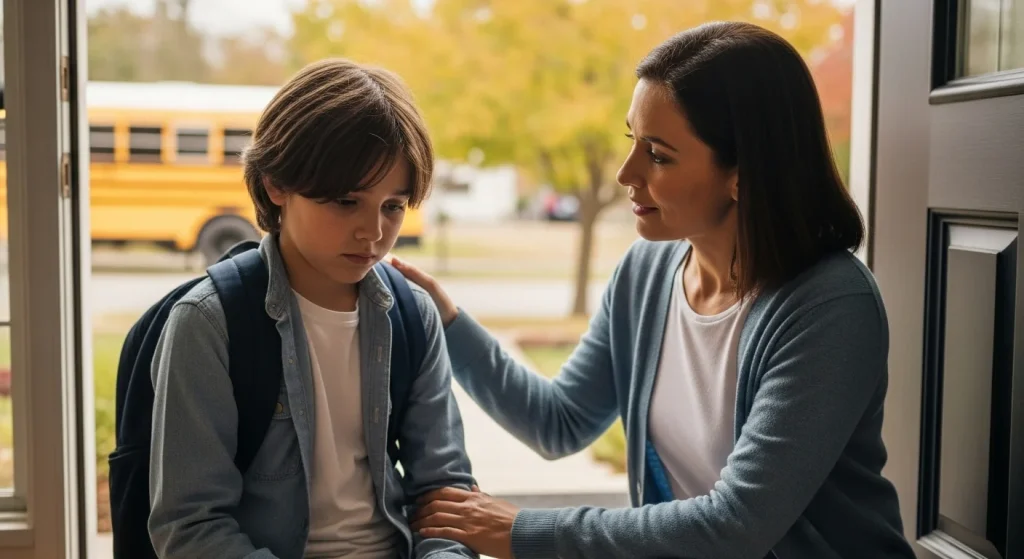
10. Stay Calm Yourself
Kids pick up on your emotions. Even if you’re nervous about how they’ll do, try to project calm confidence.
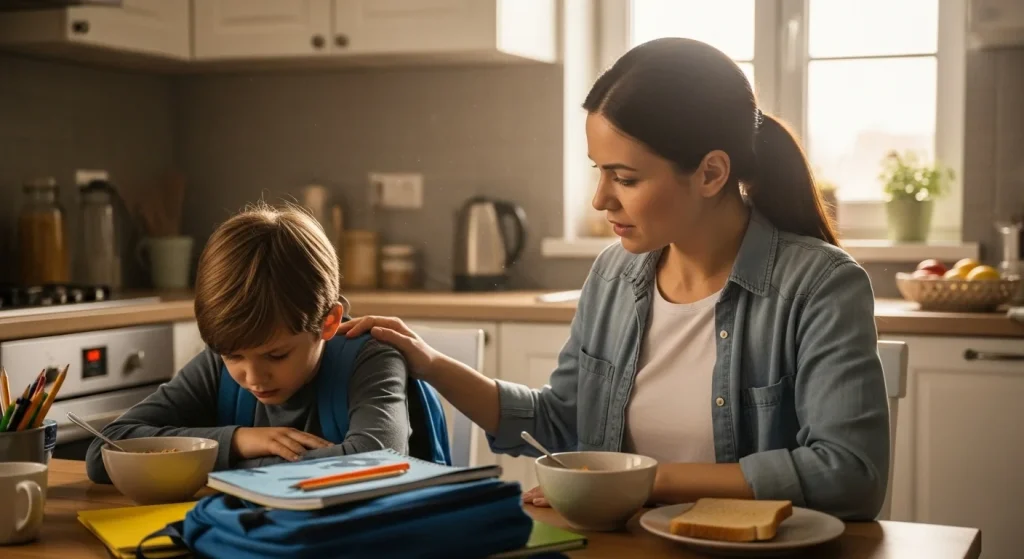
11. Teach Relaxation Techniques
Simple breathing exercises can work wonders:
- Inhale for 4 seconds, hold for 4, exhale for 4.
- Squeeze a stress ball and release slowly.
12. Lean on Resources
You don’t have to do it alone. Check out these first week of school tips for parents for extra guidance on helping your child settle in smoothly.
Helping Them Build Confidence
A confident child handles challenges better. Celebrate small wins, whether it’s speaking up in class, joining a new activity, or trying a new lunch.
You might also try giving them small, age-appropriate responsibilities at home — this builds independence and self-assurance.
When Anxiety Lingers
If your child’s anxiety doesn’t fade after the first few weeks, or it begins to interfere with daily life, it might be worth speaking to a school counselor or pediatrician.
Persistent anxiety can be a sign of deeper emotional needs, and early support can make all the difference.
Final Thoughts
Back-to-school anxiety doesn’t mean your child isn’t ready or capable — it just means they’re human. With patience, understanding, and proactive steps, you can turn this transitional time into an opportunity for growth.
Remember: the goal isn’t to eliminate all worry but to help your child develop tools to handle new experiences with resilience. This is a life skill they’ll carry far beyond the classroom.